
Sil-More Newsletter - Issue 16 Hot Issues Dominate the Development of Future Products
2017/11/08|Subscribe to the newsletter
New choices for thermal conductive potting materials
ISO Quality Management System Revision
Practice knowledge management for excellent corporate value!!
Office life convention
Overseas branch employee travel
2017 Exhibition Review
 New choices for thermal conductive potting materials
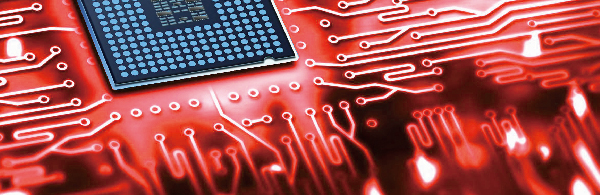
The so-called use of potting materials refers to injecting the material into electronic mechanisms to protect internal electronic products from harsh environments, achieving resistance to dust, moisture, solvents, and fixing components, while also providing good shock absorption and stress relief effects. These products can even provide a certain degree of thermal conductivity, allowing heated components to transfer heat to the external mechanism through the thermal conductive properties of the material, thereby reducing operating temperatures and extending product lifespan.
In electronic products, the use of thermal potting materials has been in practice for many years, and such materials can be seen in applications like LED driver modules, transformers, and conversion coils.
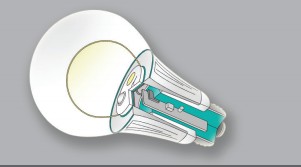
Image source: Dow Corning official website
However, with technological advancements and increasing consumer demands for product performance, two demands arise:- Improvement of thermal conductivity
- Better adhesion to the mechanism to enhance waterproof and gas-tightness
A simple comparison table of the products is as follows:
TC 6020 A&B | TC 6011 A&B | DC 160 A&B | CN 8760 | |
Color | Grey | Grey | Grey | Dark Gray |
Mix ratio (weight ratio) | 1:1 | 1:1 | 1:1 | 1:1 |
Viscosity (mPa.s) | 10,640 | 3,000 | 4,865 | 2,850 |
Curing method | Room temperature curing or 23 mins @ 60℃ 5 mins @ 100℃ | Room temperature curing or 40 mins @ 100℃ | Room temperature curing or 4 mins @ 100℃ | Room temperature curing or 40 mins @ 50℃ |
Thermal conductivity (Watts/meter-℃) | 2.7 | 1 | 0.58 | 0.65 |
Dielectric Strength (kV/mm) | 24.1 | 21 | 19 | 26 |
Remarks | High adhesion and thermal conductivity | High adhesion and thermal conductivity |
──Written by:Business Department Julie Hsu
Heat issues dominate the development of future products

Heat is the primary failure mode of electronic products, determining product lifespan and performance, and is also a crucial factor affecting the reliability and stability of electronic components or systems. According to the "10℃ theory", for every 10℃ increase in temperature, the lifespan is reduced by half.
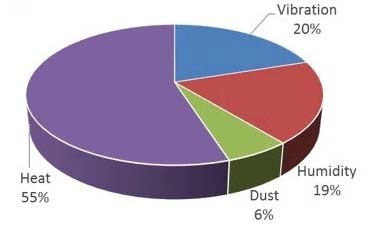
Data source:http://www.adaptive.com.tw/knowledge/how-to-do-thermal-control/
► Thermal curing high thermal conductive interface materials
Under the emerging technological developments in the electronics and electrical industries, thermal interface materials not only continue to meet existing specifications such as high thermal conductivity, low thermal resistance, gap-filling, compressibility, and fluidity, but also address new special requirements, such as enhancing 3D applications, voltage reliability, high-temperature resistance, and thermal adhesion, which have become important cross-industry topics.
►Thermal conductive Ink, TCI
The TCI series products are a type of single-component non-silicone thermal conductive adhesive that can be applied using dispensing or scraping methods, widely used in electronic components for heat dissipation layer coating, bonding, filling, or other heat dissipation and assembly applications. By utilizing advanced material technology, it significantly enhances high-temperature non-flowability, a wide processing temperature range, and ease of shaping, effectively overcoming the drawbacks of traditional thermal resins, such as significant viscosity reduction at high temperatures and improving the sedimentation of inorganic fillers, thus enhancing the long-term reliability of superior interface materials.
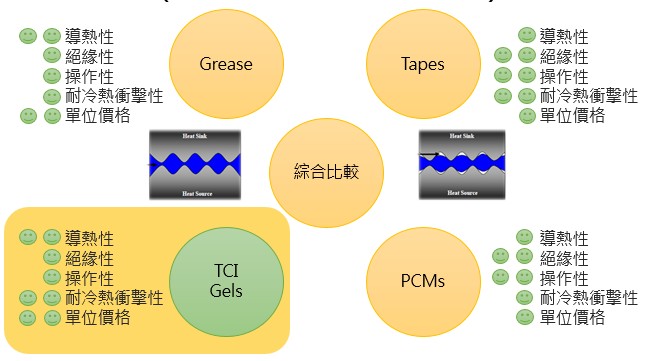
Comparison of characteristics of thermal management technology - interface materials
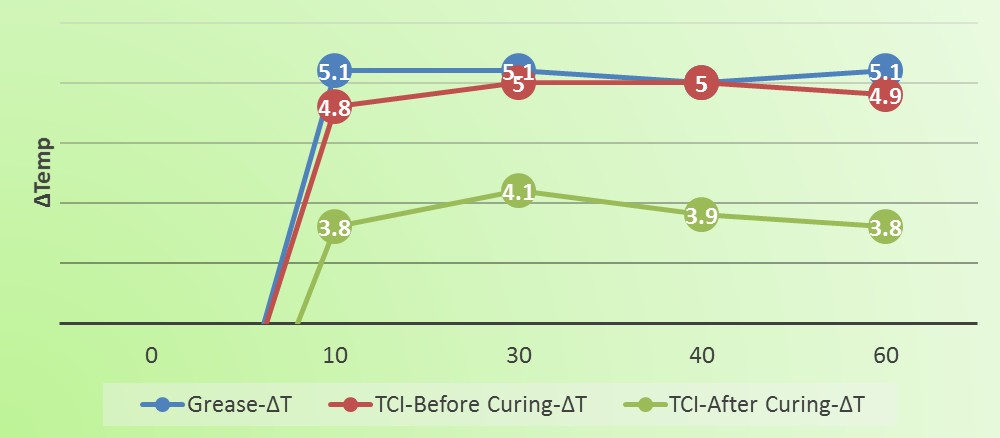
ΔT changes of 80W heat source and heat sink over 0-60 minutes
►Thermal conductive Ink (TCI)Application methods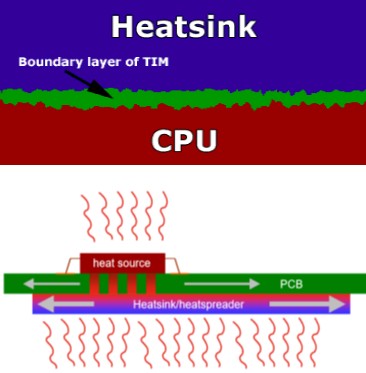
Conclusion:In response to new market demands, the development of thermal interface materials has gradually shifted from the role of a heat dissipation medium to a more targeted and specialized approach. Facing market challenges, Sil-More Industries will share its extensive practical experience in the field of thermal interface materials with you.
─Written by: Business Department Porter Chen
Thermal management potting materials in power electronics
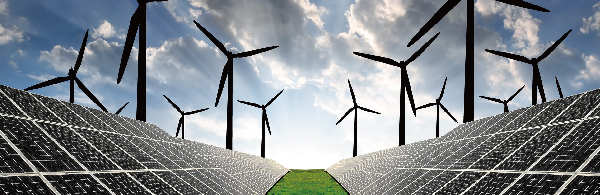
The rapid development of IoT technology is closely related to the basic products of power electronics technology and our daily lives, such as household appliances, optoelectronic lighting, electric vehicles, maglev trains, inverters, servo drives, smart UPS, small smart energy processing systems, solar smart energy-saving houses, battery storage systems, electronic transformers, high-voltage direct current power transmission systems, etc. The technology in these fields has become increasingly important and is a focal industry for the next wave of technological competition among advanced countries in Europe, America, and Asia.
Sil-More Industries, in response to the diverse needs of electrical devices, is advancing current power electronics products towards "lightweight, thin, short, compact, high efficiency, and high reliability." This will also be the foundational technology for the development of miniaturization design in related industries. Therefore, the application of key thermal management materials is a trend, and looking ahead, it presents potential fields and market opportunities.
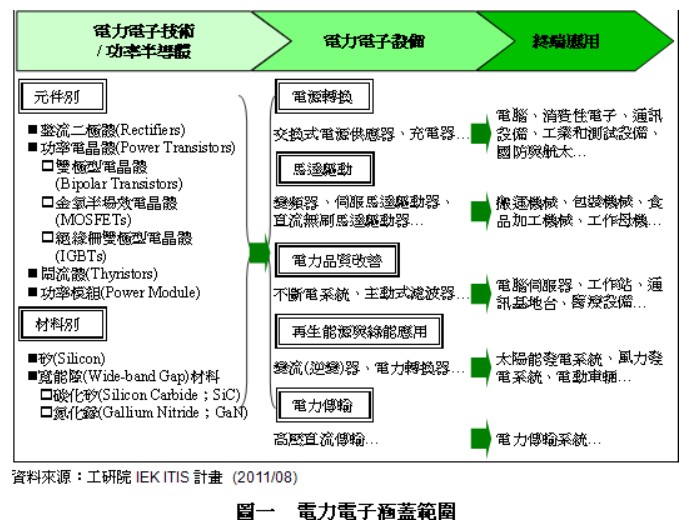
Image source:http://www.teema.org.tw/industry-information-detail.aspx?infoid=3417
To provide the best thermal management solutions for power electronics, Dow Corning TC-6020 thermal conductive potting adhesive is specially developed to meet the precise requirements of electronic packaging or assembly. It has good heat dissipation and weather-resistant insulation properties, as well as excellent adhesion to metal housings, protecting electronic components exposed to extreme heat and cold, humidity, salt spray, and air pollutants. In the manufacturing process, it provides designers with efficient processing stability, effective thermal management, and isolation from harsh operating environments, improving the efficiency and protection of control modules and electricity. It is mainly applied in the fields of energy, telecommunications, and automotive applications, with related products such as vehicle control systems, power converters, inverters, electronic modules, and power supplies.Dow Corning TC-6020 can help ensure efficiency and high yield, starting with a simple 1:1 mixing ratio, featuring good fluidity and fast curing time. For highly complex component designs, vacuum is required to ensure complete filling of gaps, while it can have good adhesion on most substrates without a primer.
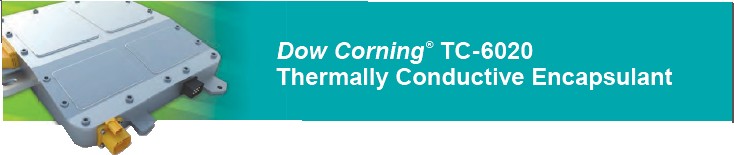
Dow Corning TC-6020Two-component thermal conductive potting silicone
- High thermal conductivity K=2.7W/M*K
- Flexible, can be reworked and repaired, hardness approximately Shore A 63.
- Excellent resistance to thermal shock and high protection.
- UL-94-V-0 certified, working temperature (RTI) can reach 150℃.
- Can cure at room temperature in 24 hours, or choose a faster heating cure (fully cured in just 5 minutes at 100℃), significantly saving energy.
- Mixing ratio is 1:1, easy to prepare, and not prone to processing troubles.
- The stability and weather resistance of the product after potting processing are excellent.
- Good adhesion to metal housings.
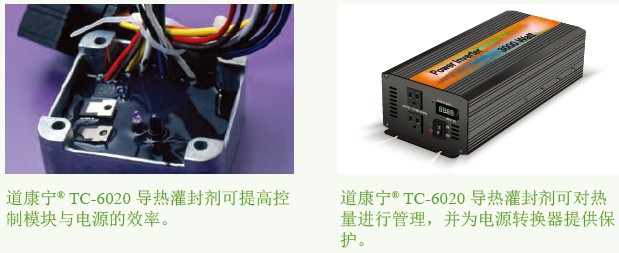
Image source: Dow Corning product catalog
At the same time, Sil-More Industries also provides a series of Dow Corning thermal conductive potting adhesives and other well-known brand thermal management materials to meet the needs for better stability and weather resistance after potting or assembly processing, in line with the trend of miniaturization design in power electronics products and circuit boards, providing more stable and reliable solutions.─Written by: Business Department Jezz Yen
What is a "fuel cell"?
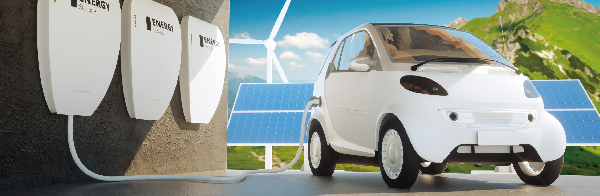
Since the outbreak of the first oil crisis in the 1970s, people have clearly realized the enormous impact that a lack of energy can have on life and the economy! Since then, countries around the world have been actively seeking alternative energy sources. Renewable energy became a hot topic during that time, and among various new renewable energy technologies, solar energy-related technologies have accumulated a certain industrial energy.
However, the dependence of solar energy on weather conditions has always been a pain point in terms of stability. Therefore, the "fuel cell" technology, which is not limited by geography and has no intermittent power generation, has become a valued alternative energy option.
A fuel cell is a battery that converts the chemical energy in fuel into electrical energy, mainly through oxidation-reduction reactions with oxygen or other oxidizers. Andthe most common fuel is hydrogen.Some hydrocarbons such asnatural gas, alcohol, and methane are sometimes also used as fuel.The advantage of this type of battery is that it can continuously provide stable power as long as there is a stable supply of oxygen and fuel, until the fuel is exhausted.
Since fuel cells generate current and water through the chemical reaction of hydrogen and oxygen, they are completely pollution-free and avoid the time-consuming charging issues of traditional batteries. Therefore, if applied to vehicles and other high-pollution power generation facilities, they can significantly improve air pollution and the greenhouse effect.
► Fuel Cell Development Status
Currently, mainstream applications of fuel cells can be classified into three categories based on fuel cell power generation: stationary generators, transportation tools, and portable power systems.
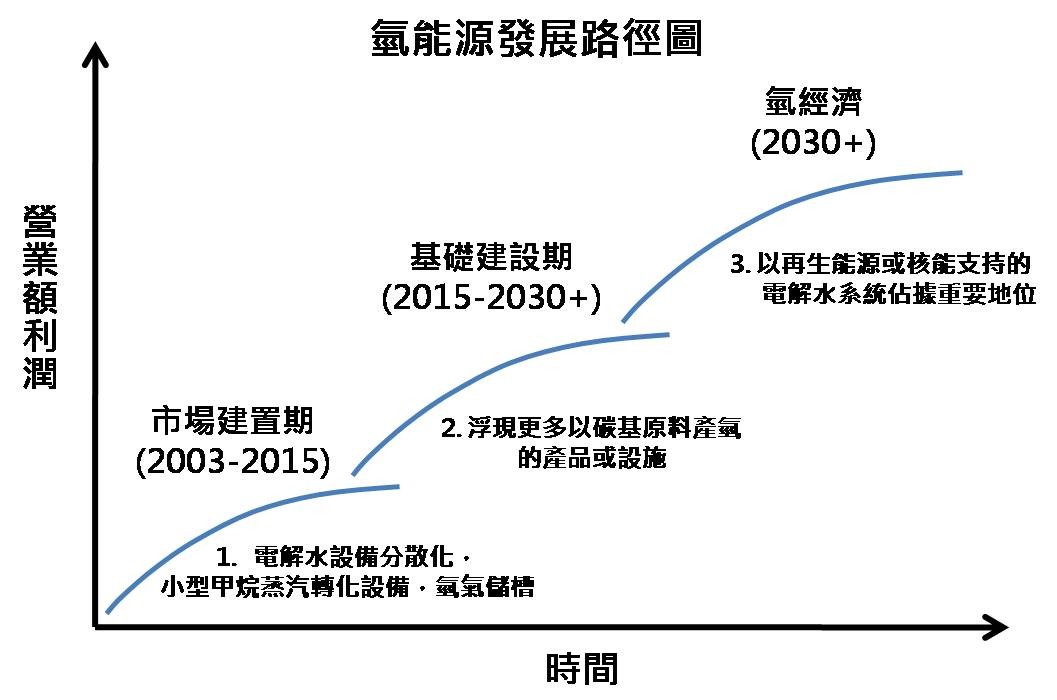
Regarding the development and application of fuel cell energy, the International Energy Agency (IEA) published "Hydrogen Production and Storage" in 2016, estimating that between 2015 and 2030, related products and equipment will gradually appear in the market and become one of the sources of power generation infrastructure or energy fuel, reaching maturity between 2030 and 2040.
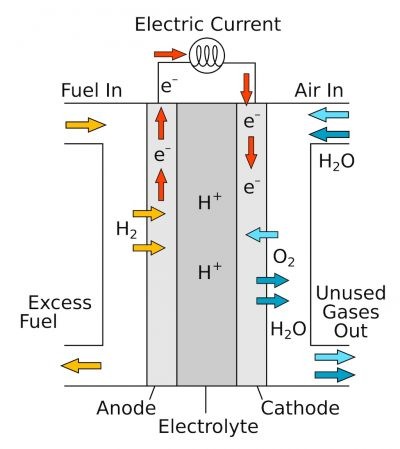
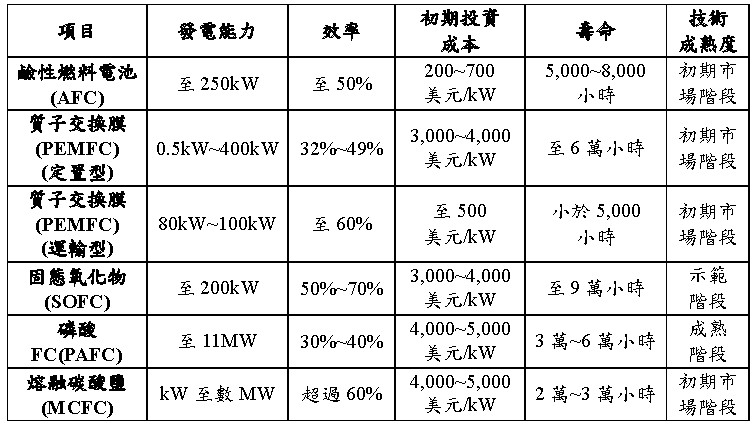
There are various types of fuel cells, which can be classified according to the type of electrolyte into alkaline fuel cells (AFC), proton exchange membrane fuel cells (PEMFC), solid oxide fuel cells (SOFC), phosphoric acid fuel cells (PAFC), and molten carbonate fuel cells (MCFC).
Common types of fuel cells and comparisons:
► Fuel cells as part of power stations or power grids.
Fuel cell power stations focus on modular design. Depending on their operating mode, one option is to use grid electricity as the basic power supply, and during peak electricity usage or when the factory consumes a lot of electricity, the fuel cell power station can be increased from a low load state to a high load, thus maintaining a fixed electricity bill and optimizing economic benefits by coordinating with electricity purchase prices and operational time periods.
The second type is to serve as standby power generation, providing basic power generation around the clock, with any shortfall during peak electricity usage supplemented by the grid.
Examples of fuel cell power plants:
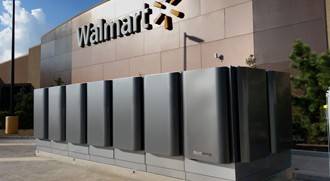
(Note 5)
► Fuel cells used in the automotive marketJapan is the first country in the world to clearly promote the application of fuel cell vehicles. The Ministry of Economy, Trade and Industry (METI) of Japan formulated the "Hydrogen Fuel Cell Vehicle Popularization Strategy" as early as 2013 and raised development expectations again in 2016. According to the plan, Japan aims to have 40,000 fuel cell vehicles by the time of the 2020 Tokyo Olympics, reaching 250,000 by 2025, with the ultimate goal of 800,000 by 2030, and expanding to various mobile tools in the future.
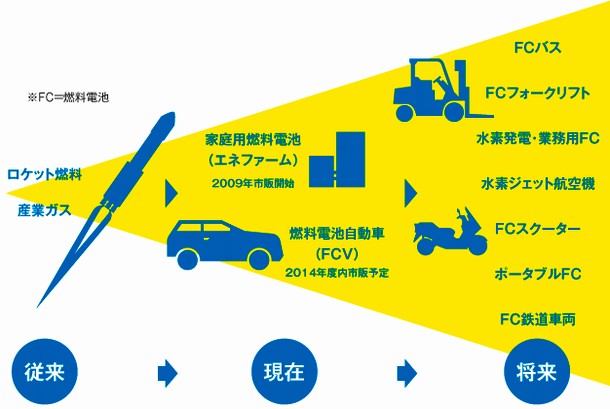 (Note 7)
ConclusionIn the future, as the demand for environmental protection and alternative energy continues to grow, considering the many advantages of fuel cells such as efficiency, environmental friendliness, and safety, if technology can further break through and prices gradually enter an acceptable range for the public, we can look forward to fuel cells becoming an important part of the energy supply chain. Sil-More has long been engaged in the automotive electronics and power supply industry, possessing rich practical experience, and expects to provide various professional advice and overall solutions for new product development to all customers.
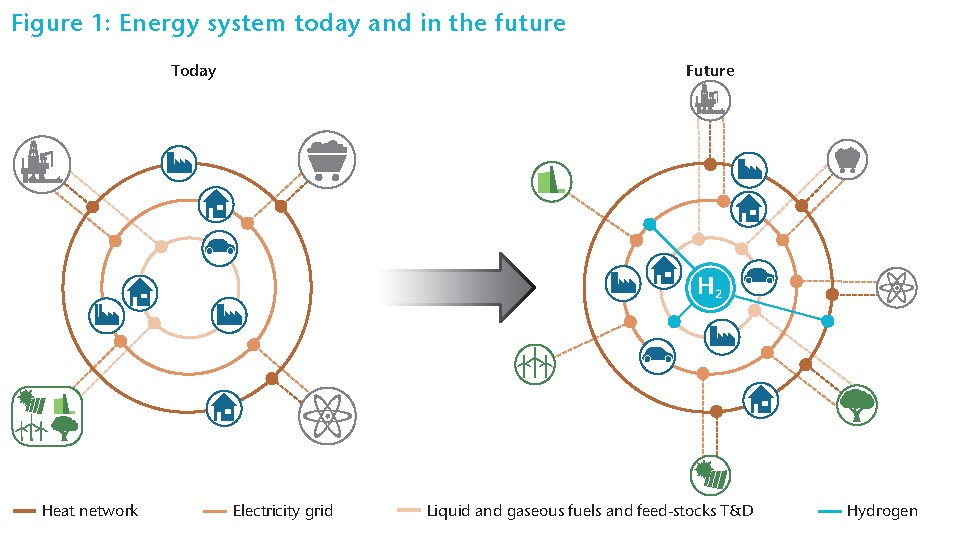
(Note 9)
References/Literature:Note 1: Wikipedia
https://zh.wikipedia.org/wiki/%E7%87%83%E6%96%99%E7%94%B5%E6%B1%A0
Note 2: IEA, Technology Roadmap Hydrogen and Fuel Cells; Zhongjisheng 2016-07, Analysis and Compilation of International and Domestic Hydrogen Energy Application Development and Promotion Policies
Note 3: Data source: IEA, Hydrogen Production and Storage; National Experimental Research Institute, Science and Technology Policy Research and Information Center - Lai Zhiyuan Compilation
https://portal.stpi.narl.org.tw/index/article/10082
Note 4: Materials World Network
https://www.materialsnet.com.tw/DocView.aspx?id=8703
Note 5: Bloom Energy website
http://www.bloomenergy.com/customer-fuel-cell/
Note 6: Technology News
https://technews.tw/2017/04/28/compilation-of-the-revised-version-of-the-strategic-roadmap-for-hydrogen-and-fuel-cells/
Note 7: Ministry of Economy, Trade and Industry METI website
http://www.meti.go.jp/policy/energy_environment/energy_policy/energy2014/torikumi/index.html
Note 8:
http://www.chinatimes.com/newspapers/20171001000127-260203
Note 9: IEA, Technology Roadmap Hydrogen and Fuel Cells
https://www.iea.org/publications/freepublications/publication/TechnologyRoadmapHydrogenandFuelCells.pdf
─ Written by: Business Department Li Junyi Brian Lee
ISO Quality Management System Transition
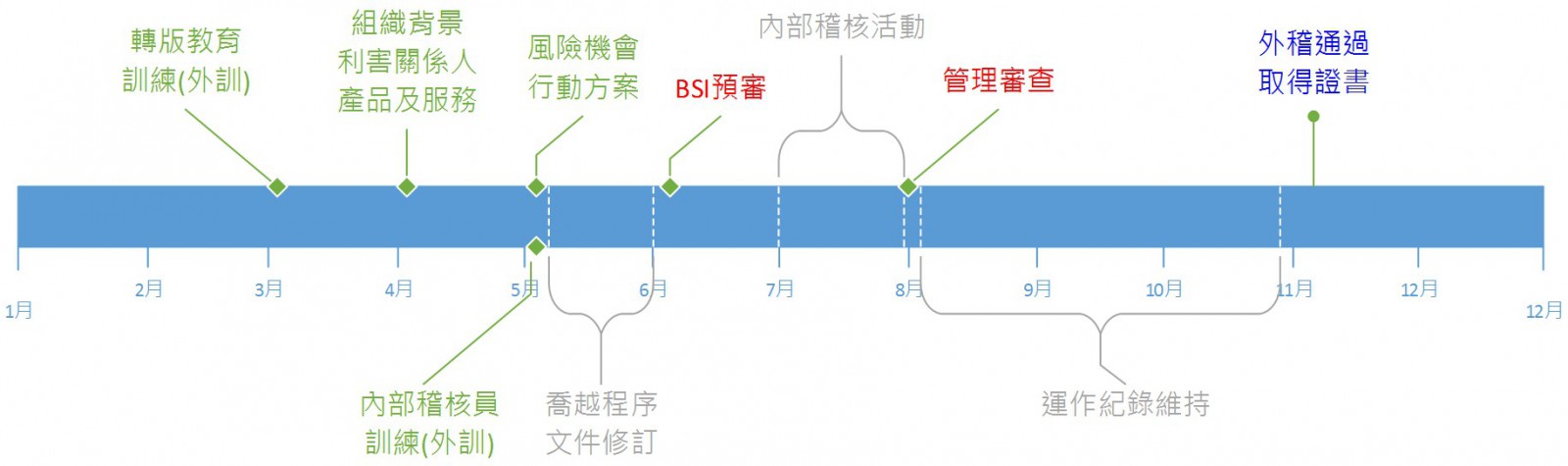
ISO 9001:2015 International Quality Management System Standard was officially announced and implemented on September 15, 2015. Sil-More is a professional electronic adhesive agent distributor, dedicated to the development, manufacturing, sales, repackaging, and service of silicone and organic adhesive chemical products for electronic products. As a part of the electronic industry supply chain, Sil-More aims to achieve sustainable service for customers. Since the second half of 2015, Sil-More has established a quality management team led by the highest responsible person - General Manager Yang, and the quality system responsible person - Deputy General Manager Li, to jointly complete the transition of the company's quality system.
Sil-More understands that the new version of ISO 9001 incorporates organizational context, risk opportunities, stakeholders, knowledge management, and operational performance-related clauses, allowing the quality management system to flexibly adjust and align with transformation, organizational change, and operational management, to enhance organizational performance. Since 2016, Sil-More has planned the ISO 9001 transition schedule, seeking breakthroughs and strengthening organizational competitiveness under the standard framework, creating maximum value with a "performance-oriented" approach, and actively cultivating the quality system concept among all employees.
- ISO 9001:2015 Transition Schedule:
※ Reference Data: United Nations GHS Purple Book, National Standard CNS15030
─ Written by: Technical Department Jian Shihuang Bruce JianGO TOP
Practicing Knowledge Management for Excellent Enterprise Value
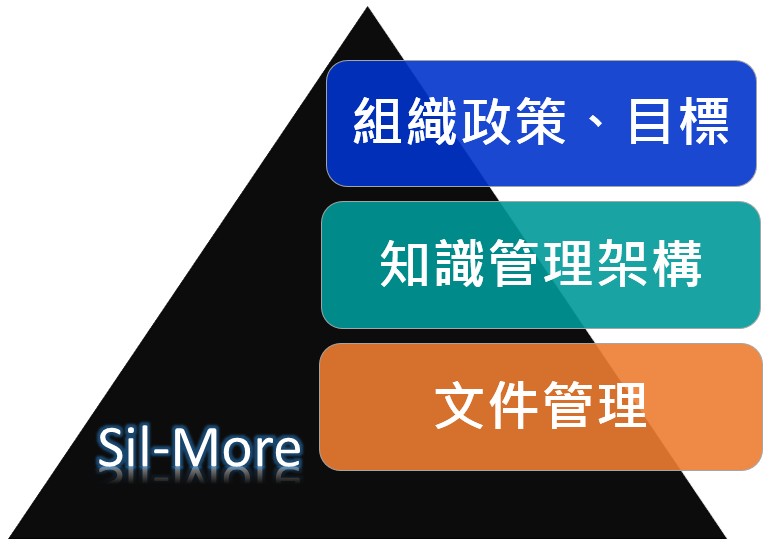
Why not document management? Before discussing knowledge management, it is essential to clarify the differences between knowledge management and document management. Then, by looking at the organizational structure from above, inventory internal knowledge. Next, confirm whether the internal knowledge supports organizational policies and goals. Additionally, check whether the current document management structure and standardization are implemented and perfected. Horizontally, connect the upward and downward organizational structures to launch suitable work plans. Through the formulation of work plans, gradually develop and cultivate a learning organization culture. When the organizational culture is internalized as part of the system, it can nurture spontaneous knowledge workers, thereby forming the backbone of the organization's knowledge management members.
From Success to Excellence!
The emergence of learning organizations is due to changes in the times. Leading products that once dominated the market may collapse due to technology and innovation.Note 1. Technology and expertise, in a flattened world, no longer have long-term exclusivity. They cannot become the key to sustainable differentiation for organizations. Not to mention insufficient overall strength, even with excellent technology, one cannot escape the fate of demise.Note 2. Personnel who master product technology may face unemployment due to the collapse of the industrial chain. They may also need to relearn because product technology cannot connect with new technologies. This is not only a personal crisis but also a loss for society.
To this end, we must redefine "core values (strength)". How to activate "core values (strength)" has become an urgent task for the organization. Think of Kodak film, cassette players, and Nokia phones, which once held the "core values (strength)" that led the era. But they could not escape the fate of being eliminated. This shows that holding "core values (strength)" does not guarantee the sustainability of the organization. It is an outdated concept. Redefining "core values (strength)" and establishing a learning organization is essential. Only by activating "core values (strength)" can we move from success to excellence and enhance organizational competitiveness. This is the key to organizational sustainability.
Note 1: The emergence of digital cameras led to the collapse of the film industry. The advent of digital music also brought cassette players into history. The birth of the iPhone destroyed Nokia's mobile empire.
Note 2: The technologically advanced Sharp was acquired by the comprehensive powerhouse Foxconn.
Office life convention
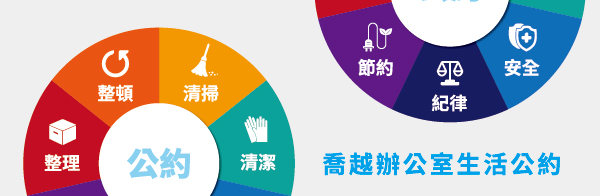
Due to concerns about the omnipresence of danger, to ensure that Sil-More employees can work in a good hygiene and safety environment, and to enhance productivity efficiency and effectiveness, an office life convention has been established to constantly remind colleagues to pay attention to safety, creating a worry-free working environment, and thus achieving the common company mission and goals with a consistent philosophy.
─ Written by: Management Department Li Yi-hua Niko Lee
Overseas branch employee travel
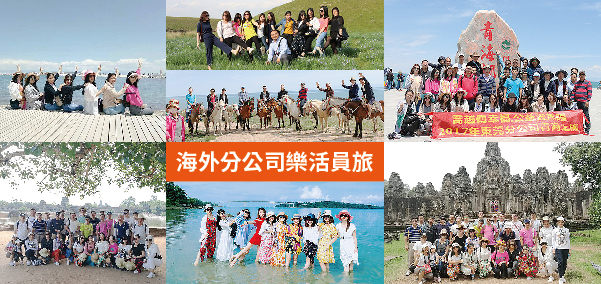
Branches held employee travel activities in June and September to show appreciation for the hard work of branch employees over the past year. The welfare committees of each branch arranged and planned these activities, allowing employees to enjoy leisure and joyful times with colleagues outside of work, further enhancing mutual friendship.
Image (upper part): Dongguan Branch Qinghai trip
Image (lower part): Kunshan Branch Cambodia trip
─ Written by: Dongguan Branch Cheng Xinrong
Kunshan Branch Yang Zhao-di
2017 Exhibition Review
Sil-More has been deeply rooted in various industries for many years, dedicated to promoting materials related to the electronics industry. Through exhibitions and one-on-one interactions with customers, and holding product technology presentations at several exhibitions, we provide more diversified professional technical consulting and a broader range of industry applications. We are very grateful for the support of customers who visited this year and the assistance of our partners, which made each exhibition a success. Next year, Sil-More Group's exhibitions will present more advanced and innovative comprehensive application solutions, and we look forward to seeing you passionately at the exhibition.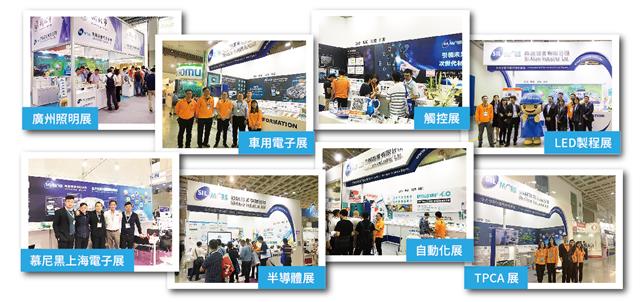
Image: Status of various exhibitions in 2017
2018Annual exhibition preview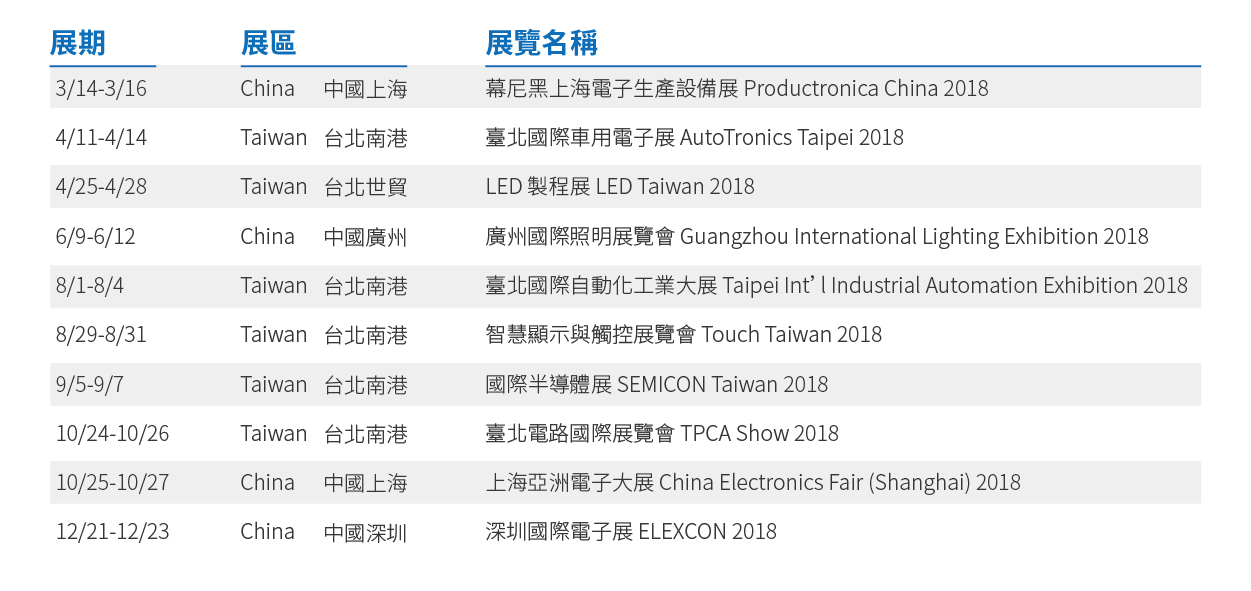
─ Written by: Marketing Department


China Kunshan Subsidiary
TEL:+86-512-5778-9977
FAX:+86-512-5778-9944
E-Mail:silmore@silmore.com.cn
Website:http://www.silmore.cn/
Address: 13th Floor, Building 4, Chengbei Lake Commercial Center, 1188 Chengbei Road, Yushan Town, Kunshan City, Jiangsu Province, 215300
China Dongguan Subsidiary
TEL:+86-769-8541-8158
FAX:+86-769-8541-9158
E-Mail:service@silmore.com.cn
Website:http://www.silmore.cn/
Address: No.8 Huafu Road, Shangsha No.6 Industrial Zone, Chang 'an Town, Dongguan City, Guangdong Province, China 523000