
Circuit Board Industry Exhibition: Sil-More Group Showcases Innovative Thermal Conductive Materials
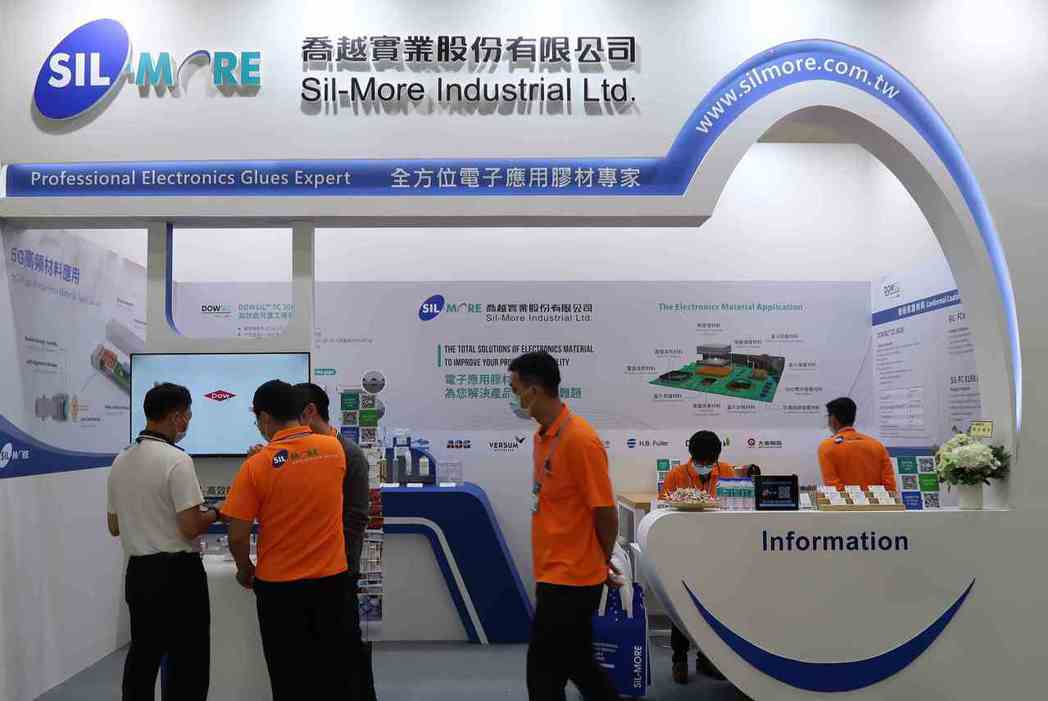
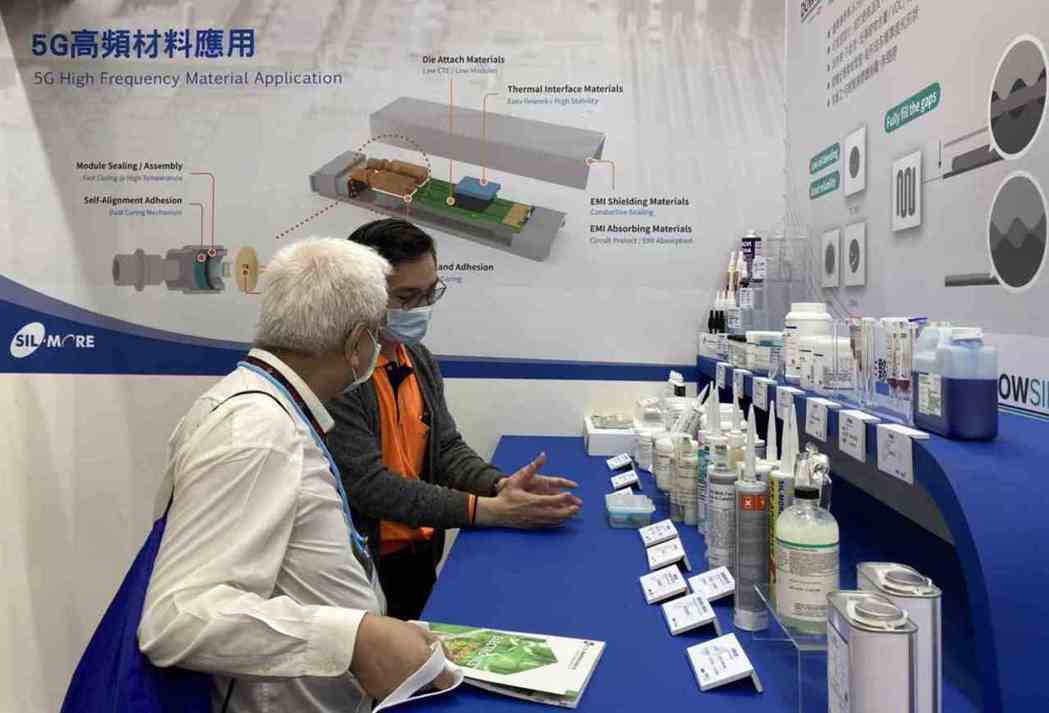 Sil-More Group participated in the Taiwan Circuit Board Industry Exhibition from October 21 to 23, showcasing a series of innovative thermal materials such as DOWSIL TC-3065 thermal gel and AOS thermal materials at booth N0018 on the fourth floor of Hall 1 in Nangang. You are welcome to visit.
DOWSIL TC-3065 thermal gel from Dow Chemical is a one-component gel that cures at room temperature, featuring a high thermal conductivity of 6.5 W/mk, a high extrusion rate of 60 grams per minute, no oil bleed, and extremely low volatile organic compounds (VOCs) content. It operates through an automatic dispensing machine, cures quickly with heat, and is resistant to cracking and silicone oil bleed after curing. It can withstand humidity and other harsh environments, and is less prone to cracking under long-term aging conditions, making it easier to assemble electronic components. During the application process, the gel appears soft, allowing for various thicknesses and shapes, and can replace traditional thermal pads. It also protects electronic components when filling gaps in modules. If rework is needed, the gel can be easily peeled off without residue, specifically designed for the thermal dissipation needs of 5G high-power electronic components.
Another solution for non-silicone thermal filling materials is AOS thermal materials, which have a high thermal conductivity of 7.4 W/mK, low thermal resistance, extremely low oil bleed rate, and do not contain small molecular siloxanes. It does not contaminate surrounding components during operation, has a thin viscosity, and high adhesion to interfaces, providing excellent conduction effects and reliability in high-frequency, high-power components.
Sil-More Group offers the most synergistic integrated solutions for key materials in 5G applications, including "thermal dissipation, electromagnetic wave shielding, circuit board assembly, component bonding and filling, chip insulation packaging, and module moisture-proof coating." These thermal management materials are used in the fields of communication and data transmission devices, such as high-frequency optical communication modules, network routers, and handheld devices. They not only meet the thermal interface material requirements for 5G high power but also significantly improve production efficiency and reduce costs.
Data source:Economic Daily/Written by Li Yanqi 2020/10/22

China Kunshan Subsidiary
TEL:+86-512-5778-9977
FAX:+86-512-5778-9944
E-Mail:silmore@silmore.com.cn
Website:http://www.silmore.cn/
Address: 13th Floor, Building 4, Chengbei Lake Commercial Center, 1188 Chengbei Road, Yushan Town, Kunshan City, Jiangsu Province, 215300
China Dongguan Subsidiary
TEL:+86-769-8541-8158
FAX:+86-769-8541-9158
E-Mail:service@silmore.com.cn
Website:http://www.silmore.cn/
Address: No.8 Huafu Road, Shangsha No.6 Industrial Zone, Chang 'an Town, Dongguan City, Guangdong Province, China 523000