
Sil-More Newsletter - Issue 25: Consumer Electronics Ignite the Next Wave of Trends and Innovations
 DowDOWSIL™ EA 3500G Fast-Curing Adhesive
In today's rapidly evolving technology landscape, with the global manufacturing industry continuously adopting the topic of Industry 4.0, how to efficiently increase production capacity and thus reduce costs has become a goal that all manufacturers are striving for. "How to quickly assemble and produce" has become a target that various manufacturing industries are constantly pursuing.
DOWSIL™ EA 3500G fast-curing organic sealant launched by Dow is a two-component adhesive that can achieve rapid curing at room temperature. It can achieve good adhesion to most substrates within 10 minutes at room temperature and retains its physical and electrical properties within the temperature range after complete curing.
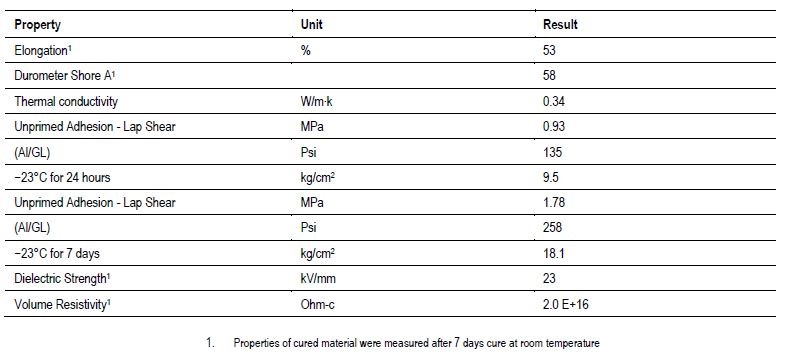
※Image from Dow DOWSIL™ EA 3500G Technical Data
DOWSIL™ EA 3500G not only cures quickly at room temperature to enhance the rapid assembly efficiency of the manufacturing industry but also achieves reliable electrical properties. Therefore, it brings new opportunities for rapid assembly production in the manufacturing of global consumer lighting devices and home appliances.Since the mixed adhesive can cure quickly at room temperature, it saves energy costs compared to those that require heating for curing, as well as the time costs associated with waiting for room temperature curing.
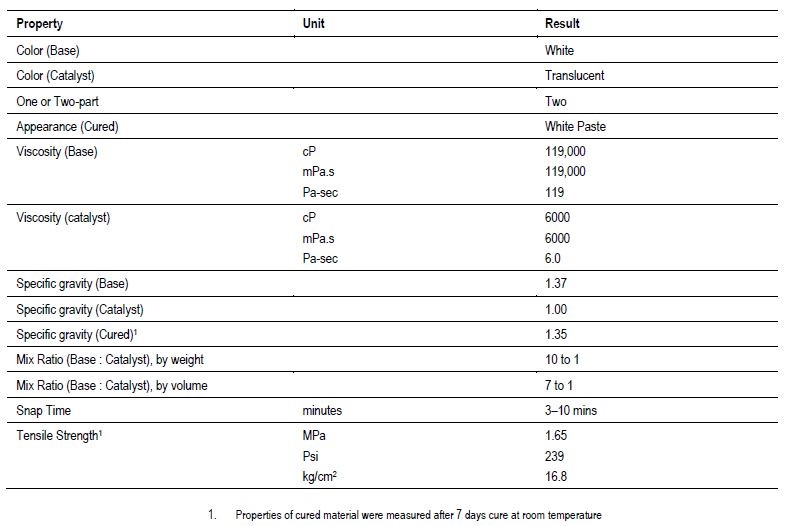
※Image from Dow DOWSIL™ EA 3500G Technical Data
This adhesive maintains its original physical and electrical properties across a wide range of operating conditions, making it suitable for bonding lamp tubes in lighting devices and for adhering parts in home appliances, thus helping to improve the reliability and lifespan of electronic devices, lamps, and lighting equipment.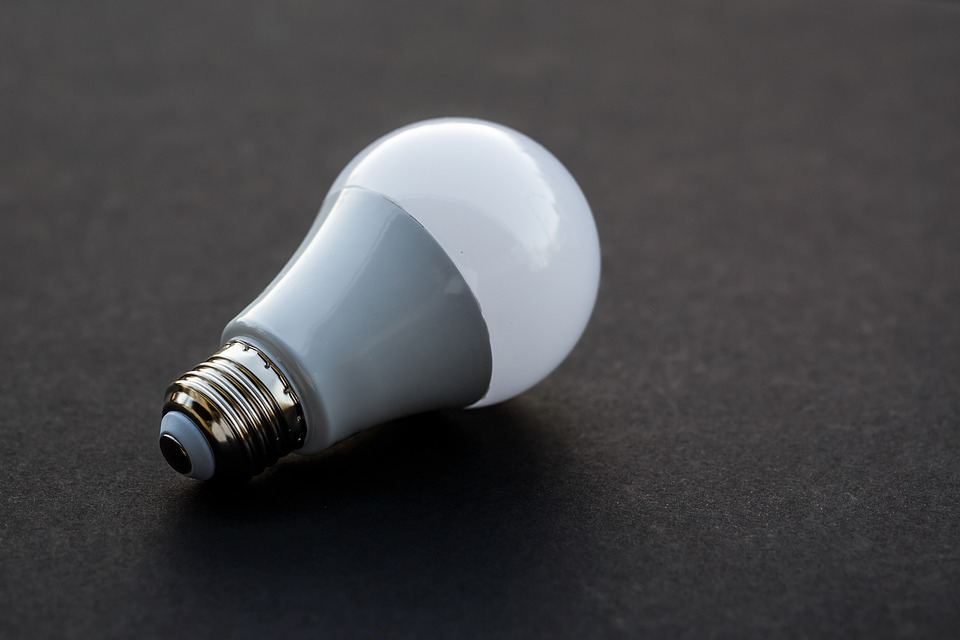
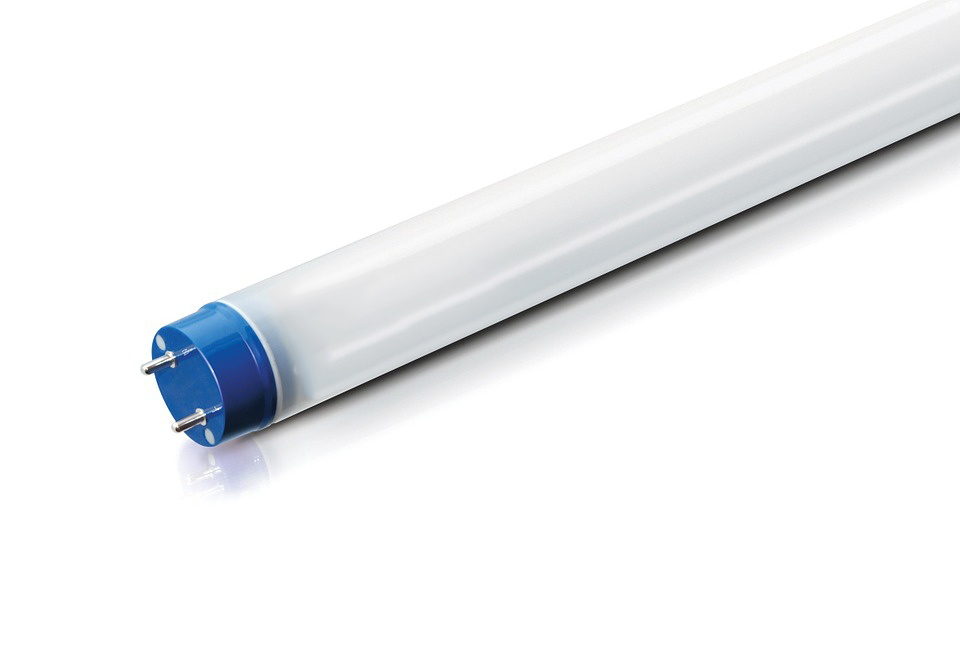
In response to changes in the industrial environment, the Sil-More Group continuously provides adhesive solutions to achieve rapid manufacturing and cost reduction, while also adding more value to products.
※Data source from Dow website http://bit.ly/2TEXAc5
─Written by: Domestic Business Department
Next Wave of Trends and Innovations in Consumer Electronics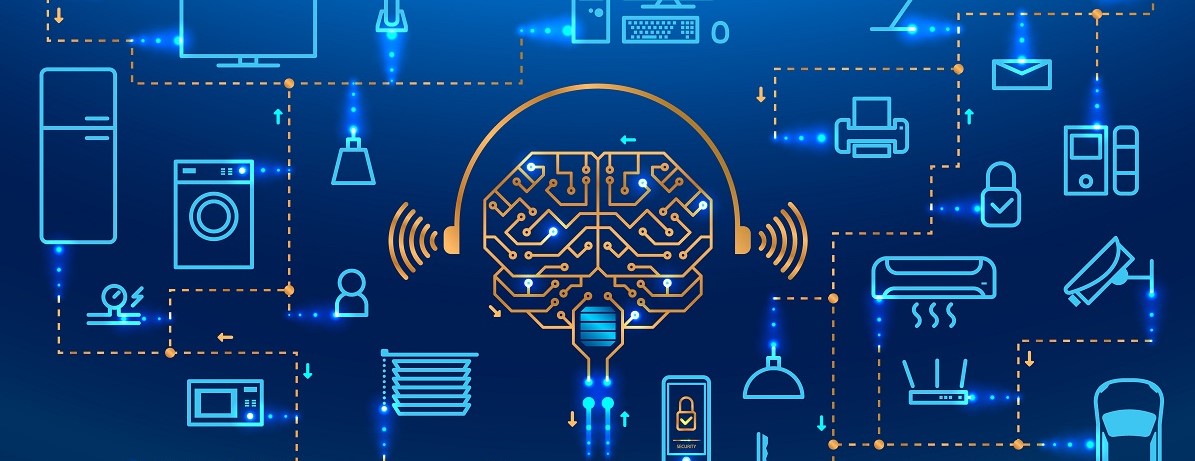
Entering a new decade in 2020, this year's CES exhibition includes 11 major themes such as 5G/IoT, advertising/entertainment/content, healthcare, smart home, immersive entertainment, smart vehicles, AI artificial intelligence, and startups. These consumer electronics technologies will accelerate their integration into personal, family, and business life in the next decade, changing the future lifestyle and the global technology industry landscape.
In the past, IoT referred to the Internet of Things, but this year's CES IoT is somewhat different. With the addition of AI elements, the Internet of Things has transformed into "smart devices," emphasizing the intelligence of terminal devices. CES 2020 reinterprets IoT, and "Intelligence of Things" is expected to become the main focus of consumer electronics in the next decade.
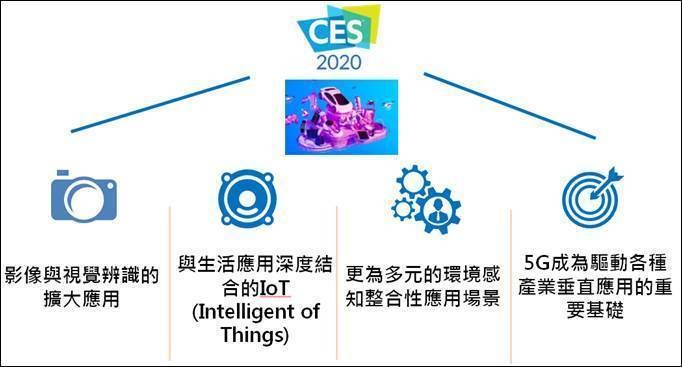
CES 2020 Key Focus on Technological Innovation Development (Image Source: Industrial Technology Research Institute)
According to Embedded Computing Design, 5G and IoT will bring ten major technologies into our homes, buildings, streets, stores, offices, and more.First is the high-speed 5G network, which facilitates communication between machines, sharing information, analyzing information, and making decisions. High transmission rates and low latency can reduce response times to just a few seconds.
Second is large-scale automation. The fast speed of 5G networks allows businesses to automate operations, upgrading the entire city network. Coupled with the development of IoT application software, electronic devices and machines can be remotely controlled via smartphones, wearable devices, tablets, and desktop computers.
Third is smart cities. The clever integration of 5G, IoT, and artificial intelligence (AI) can optimize the predictive capabilities of future events, providing real-time notifications about traffic and parking spaces, thereby alleviating traffic congestion, saving time, reducing pollution, and enhancing safety.
Fourth is smart homes. 5G and IoT will usher in a personalized era in smart homes, including quickly adding items to shopping lists for one-click purchases. Additionally, if any anomalies are detected during monitoring, tracking electronic devices will send real-time notifications via smartphones.
Fifth is connected vehicles. 5G and IoT are expected to enable self-driving cars and real-time performance tracking and analysis. For example, automated repair centers can conduct comprehensive inspections of devices to provide meticulous maintenance, thereby reducing accidents.
Sixth is monitoring. Dynamic intelligent environmental monitoring can assist government organizations in reducing pollution and carbon emissions. Farmers can also analyze their livestock, crops, and machinery.
Seventh is smart utility services. Industries such as water, electricity, and energy will benefit from this, for example, oil and gas companies can leverage IoT devices to enhance the efficiency of oil wells and increase productivity.
Eighth is connected healthcare. The healthcare industry will undergo a major revolution, including telemedicine, robotic surgery, and wearable devices, which can raise patients' health awareness and enable individuals to manage their health effectively.
Ninth is smart factories. Installing sensors on every device will realize the vision of smart factories, thereby improving production line efficiency and managing daily operations, allowing companies to significantly reduce operational costs and find new revenue sources.
Tenth is aerospace. 5G and connected devices will help the aerospace industry manage operations through health monitoring, inventory management, equipment maintenance, fleet management, and advanced analytics.
In the upcoming 5G era, with the introduction of high frequencies, upgrades of hardware components, and a significant increase in the number of connected devices and antennas, the material requirements will be relatively higher. As a professional and comprehensive supplier of adhesive materials, Sil-More Group has laid out materials for 5G-related applications, providing corresponding materials in fields such as communication equipment, smartphones, and new energy vehicles, including chip protection materials, high thermal conductivity materials for communication devices, electromagnetic interference (EMI) shielding solutions, optical adhesive materials for mobile phone camera modules, and bottom filling materials for automotive cameras and onboard radars, thus providing a competitive advantage in key materials for the 5G supply chain.
※ Reference data excerpted from DIGITIMES Smart Applications / Hsieh Ming-Shan http://bit.ly/39rgp9a
Wu Bi-E / North America Intellectual Property Report Editorial Department / North America Intellectual Property Report Issue 253 https://bit.ly/3adQDFQ
─Written by: Domestic Business Department
QD PR in Micro LED Display Technology Applications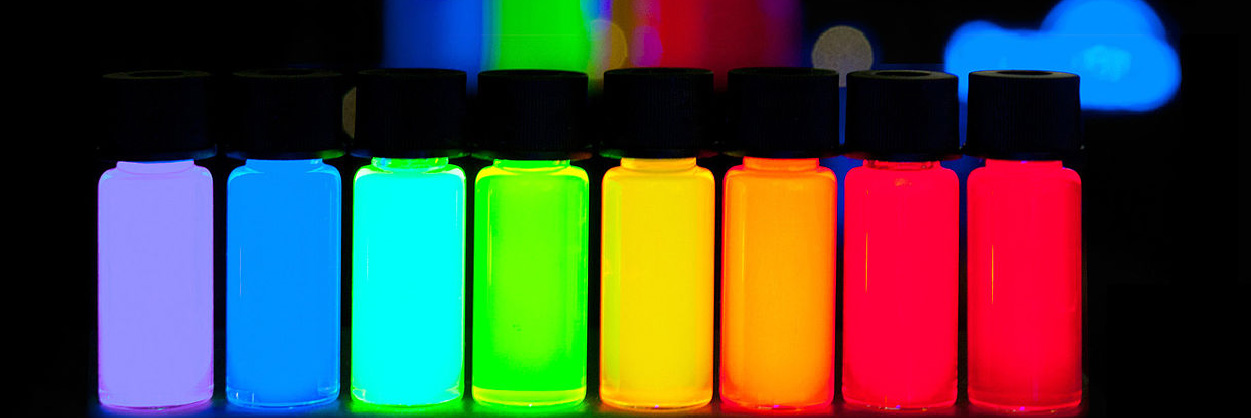
Today's LED manufacturing plants have established a complete industrial chain, but in recent years, they have been severely impacted by industrial transformations. With the rise of Mini LED backlight technology, existing LED technology has faced significant challenges, prompting major manufacturers to actively invest in Micro LED technology to seize the next wave of business opportunities, viewing Micro LED as the next-generation display technology.
Micro LED technology excels in luminous efficiency (related to low power consumption), response time, operating temperature range, lifespan, and resistance to moisture and oxygen, matching or surpassing LCD technology. Therefore, in terms of display specifications and performance, Micro LED display technology appears to be a very attractive alternative to LCD or OLED. Micro LED displays are often compared to OLED displays because they are self-emissive and share some of the same performance advantages. However, manufacturing methods can vary significantly based on the size and resolution of the display.
Micro LED displays can compete in three different display device spaces - micro-displays (for near-eye and projection applications), traditional direct-view displays (ranging from smartwatches to televisions), and indoor signage or cinema displays. However, currently, Micro LED technology must miniaturize LEDs and invest in new equipment for the manufacturing process, so for LED manufacturers, in addition to moving towards industrialization and relatively high manufacturing costs, the minimal standardization and scale, along with an immature supply chain, mean that Micro LED displays will require a longer time to develop. Therefore, Micro LED also faces many technical challenges, including mass transfer, which will limit its use in the display market.
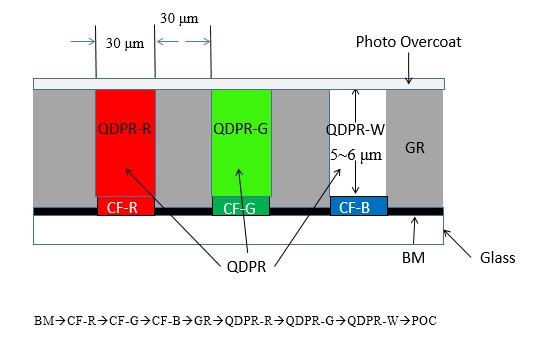
Image source: TWNC
When the quantum dots achieve a blue light conversion efficiency of EQE>80% at 450nm, and utilize photolithography technology to establish gray wall functions, the blue light leakage rate can be improved to <0.1%, increasing the OD value. This can solve the voltage difference issue between the quaternary chip and the gallium nitride chip, and the circuit design is simple and low energy-consuming. In response to the power consumption issues caused by higher currents, packaging manufacturers can address this by reducing the grain size and lowering the driving current, allowing for precise control of the number of backlight zones and improving the power consumption performance of the entire screen.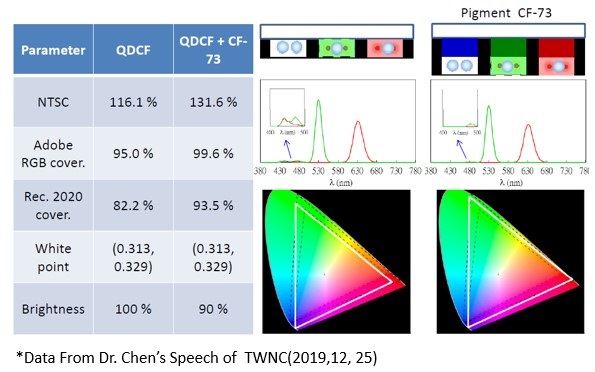
The gradual maturity of quantum dot technology, with its unique wavelength tunability and color purity, allows it to provide a wider color gamut. Coupled with its low cost, high picture quality performance, and energy-saving characteristics, it represents a technology that enhances picture quality while being environmentally friendly. From an application perspective, general LED chips are primarily used for lighting and display backlight modules, while Mini LED applications focus on HDR and irregular display backlight applications, with end products including mobile phones, televisions, automotive panels, and gaming laptops. Given the current patent restrictions on mass transfer technology, Sil-More Industrial Co., Ltd. has proposed the application of a QDPR negative photoresist for photolithography to accelerate the commercialization of Micro LED products in LED packaging factories and enhance product value.
※ Reference data excerpted from Juheng / Lin Hui-Ru http://bit.ly/2TSoIUP
─ Written by: Marketing Department
ISO 9001 Quality System Perspective - Stakeholders
The focus of ISO 9001:2015 is on ISO clauses 4.1 (organizational context), 4.2 (understanding the needs and expectations of interested parties), and 6.1 (actions on risks and opportunities). This issue of the Sil-More newsletter will explore the quality system perspective on interested parties.
What are interested parties? Opening the ISO 9001 clauses, there are only five short lines, which can be translated into plain language as identifying the expectations and needs of direct or indirect interested parties related to the company, incorporating them into action measures, and regularly reviewing and updating the content to maintain applicability and effectiveness.
So what are interested parties? In general, larger companies usually engage in corporate social responsibility (CSR), and in CSR reports, there will be descriptions of individuals or groups that can influence or be influenced by the company's decisions and actions, which are the interested parties. Therefore, we can initially understand the profile of interested parties from CSR.
What are the interested parties of Sil-More Group? First, we need to understand the internal and external environmental context in which Sil-More Group operates. Below are examples of the company's interested parties.
1. Sil-More Group is a professional electronic adhesive material distributor, and its upstream "suppliers" are our interested parties. Therefore, the company has professional product managers who connect with suppliers to meet the requirements of both suppliers and our company, providing high-quality product lines internally to meet the needs of the business team serving their customer base.
2. Sil-More Group distributes silicone and organic adhesive chemical products, and its chemical products have operational requirements in "customs/customs companies", "logistics companies", "government agencies", and "international regulations". Therefore, the company has professional support units such as operations management, logistics center, and quality management department to meet the needs and expectations of the above interested parties, and also provides necessary consulting to meet customer needs.
In the past, companies believed that providing good service to customers would lead to a continuous influx of orders. However, over time, the decision-making and activity capabilities of the company gradually became rigid. In practical operations, whether it is suppliers, contractors, customers, partners, employees, banks, government, neighboring factories, or even the general public, all are closely related to the company's operations and should be appropriately included in the category of interested parties, understanding their needs and expectations, implementing action measures, and regularly reviewing to appropriately control their impact on the company's operations.
─ Written by: Quality Management Department
Together Against the Pandemic with Our Partners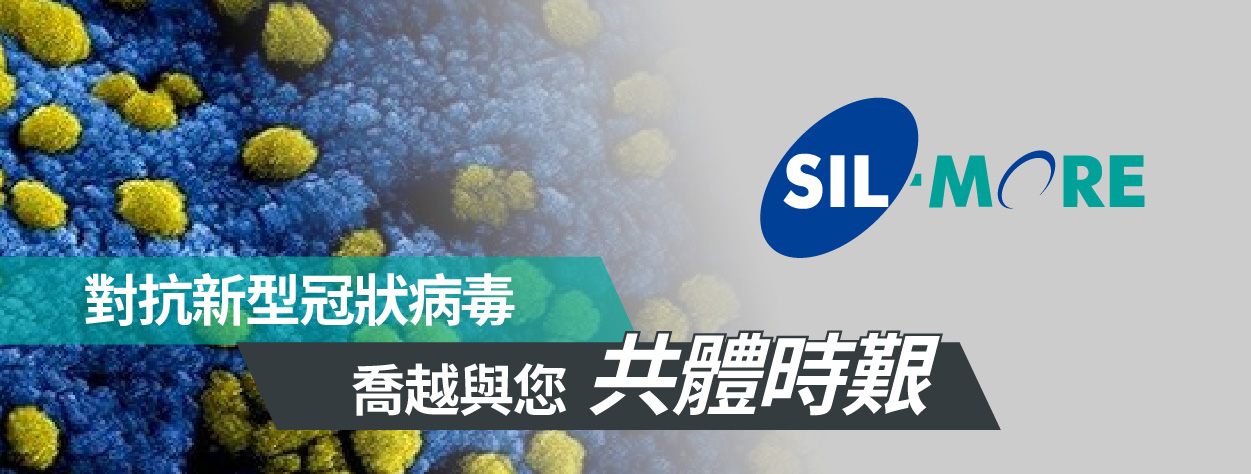
At the beginning of 2020, the sudden outbreak of the novel coronavirus pandemic led to global manufacturing facing shutdowns and various unknown factors, significantly impacting everyone's lives. In response to this pandemic, Sil-More Group placed great importance on and quickly responded, actively procuring epidemic prevention supplies before resuming work, and formulating travel and office measures during the pandemic to mitigate the risk of virus spread and ensure the health and safety of all employees.
Workplace epidemic prevention advocacy measures:
1. Strengthen self-protection: Provide spare masks for employees and encourage frequent handwashing and exercise to enhance self-resistance.
2. Employee health management: Measure body temperature when commuting and actively care for the health status of employees and their families.
3. Strengthen environmental cleanliness: Enhance cleaning and disinfection of various areas in the workplace.
4. Strengthen epidemic prevention education: Provide employees with training on infection prevention and self-protection.
5. Implement tracking and control: Establish self-health declarations for employees and implement tracking and management measures.
Protective reminders:
● Wear a mask when going out
● Wash hands frequently with soap
● Avoid crowded places
● Avoid contact with wild animals and birds
Together, let's protect our health and get through this period affected by the pandemic!
─Written by: Marketing Department
2020 Year-End Celebration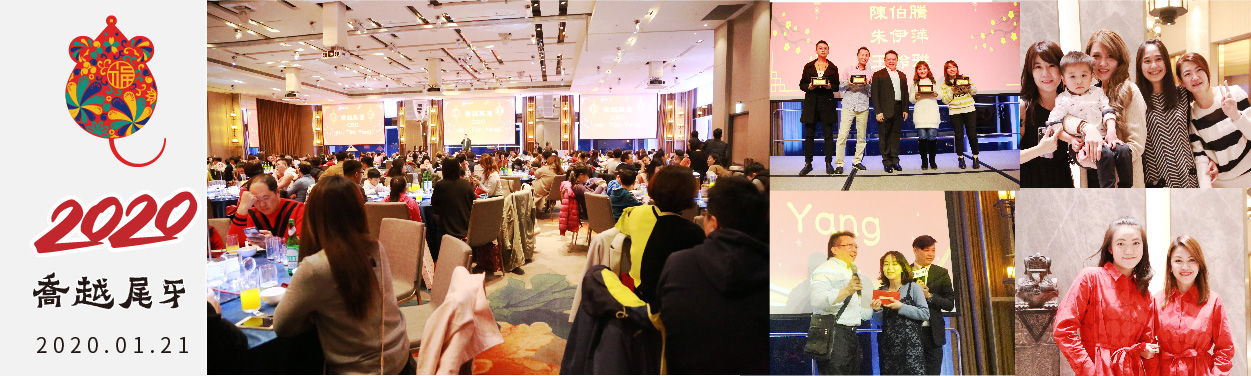
The annual grand year-end party of Sil-More Group successfully concluded on January 21, 2020, at the Grand Hotel in Wanhua District; the number of participants reached a new high, inviting all colleagues from Taiwan and supervisors and executives from overseas subsidiaries, as well as employees' family members, both adults and children, to join the dinner.
Special thanks to the CEO for rewarding the hard work of employees, in addition to the regular grand prizes, extra bonuses were provided, along with several industry-leading awards for employees to enjoy the lottery; thanks also to many sponsors for providing cash prizes for employees to celebrate together, and to the members of the welfare committee for their brainstorming meetings to execute the event, allowing the dinner process to be smooth, fully demonstrating the teamwork and youthful spirit of Sil-More; in 2020, Sil-More with"New Leap, Create Sustainability"The corporate slogan launches a new vision in the new year, looking forward to colleagues creating new peaks together.
─Written by: Welfare Committee
2020 Group Exhibition Postponement Notice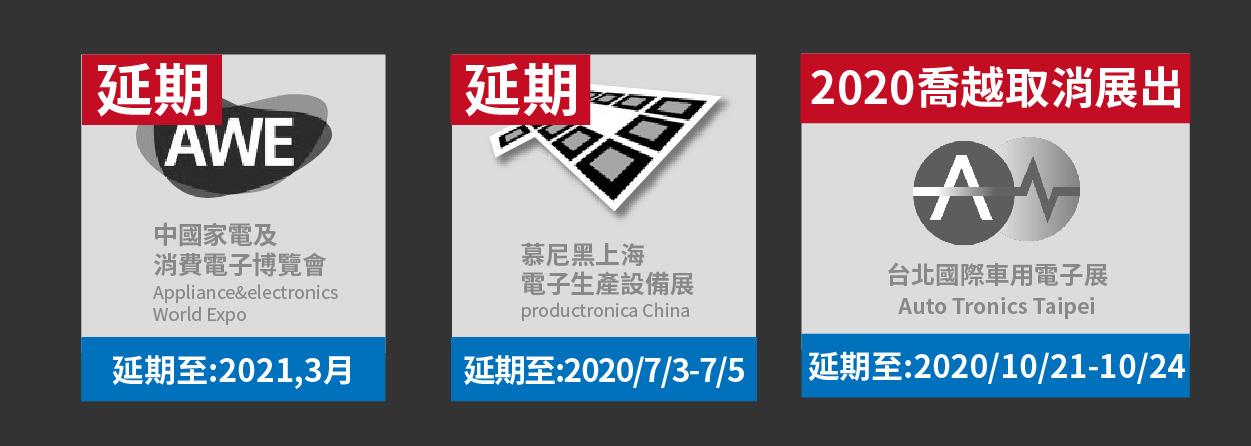
Due to the impact of the novel coronavirus pneumonia epidemic, to ensure the health and safety of participants and visitors, the originally scheduled large-scale international exhibitions have been notified by the organizers to be postponed, with the new exhibition dates as follows; there are currently no changes to the exhibition activities in the second half of the year.
Postponed exhibition information is as follows:
• China Household Appliances and Consumer Electronics Expo: Originally scheduled for 3/11-3/14, confirmed to be postponed to March 2021.
• Munich Shanghai Electronic Production Equipment Exhibition: Originally scheduled for 3/18-3/20, confirmed to be postponed to 7/3-7/5, 2020.
• Taipei International Automotive Electronics Show: Originally scheduled for 4/15-4/18, postponed to 10/21-10/24, Sil-More cancels participation!
• Exhibitions after June: Any changes will be announced and updated on the official website.
─Written by: Marketing Department

China Kunshan Subsidiary
TEL:+86-512-5778-9977
FAX:+86-512-5778-9944
E-Mail:silmore@silmore.com.cn
Website:http://www.silmore.cn/
Address: 13th Floor, Building 4, Chengbei Lake Commercial Center, 1188 Chengbei Road, Yushan Town, Kunshan City, Jiangsu Province, 215300
China Dongguan Subsidiary
TEL:+86-769-8541-8158
FAX:+86-769-8541-9158
E-Mail:service@silmore.com.cn
Website:http://www.silmore.cn/
Address: No.8 Huafu Road, Shangsha No.6 Industrial Zone, Chang 'an Town, Dongguan City, Guangdong Province, China 523000