
Sil-More Newsletter - Issue 26: Temporary Solutions for Glass UV Curing Hydrogel
2020/6/17|Subscribe to the newsletter
Current issue index |
 Glass temporary adhesive solution UV curing hydrogel
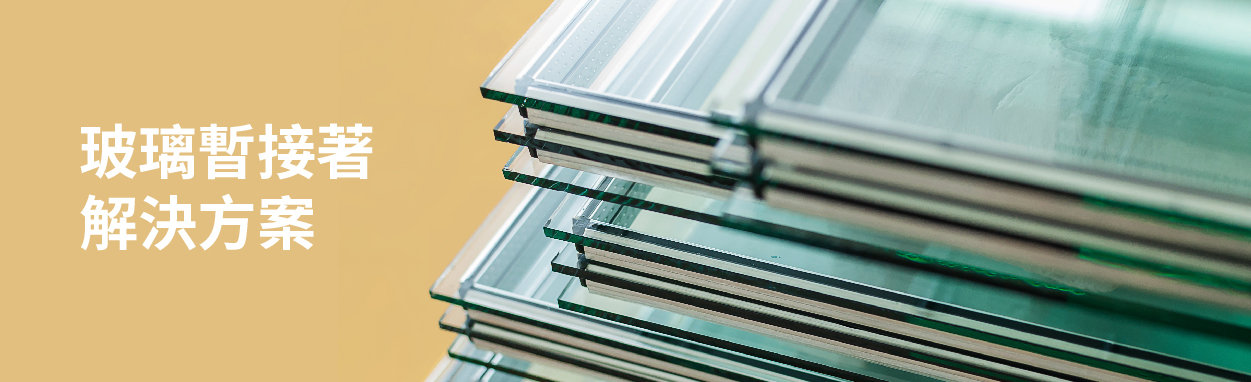
With the development of technology and the growing demand for consumer electronics applications, electronic products have been trending towards thinner, smaller, and more refined designs in recent years. Coupled with trends such as intelligence, the Internet of Things, and big data, the application of optical lenses continues to expand, involving industries such as mobile phones, security, automotive, medical, and optical communication. The overall industry trend remains on a continuous growth path, which also drives the demand for UV hydrogel.
UV hydrogel for the glass grinding industry
Distinguished by application categories, UV hydrogel can be used for temporary bonding or covering in the grinding and manufacturing processes of cover glass, camera glass, camera windows, chip glass, and electronic processing.
The component properties and bonding modes of UV hydrogel differ from those of general UV adhesives. The main mechanism of action is to coat the substrate surface or apply it between two substrates, with the substrates mostly being glass. After being irradiated by ultraviolet light, the polymer chains react to form a three-dimensional network structure that provides adhesion. After the processing is completed, the resin undergoes hydrolysis and hardening, which has high water absorption and is easy to debond in water. The debonding temperature can be adjusted according to the acceptable temperature of the process (commonly at room temperature, 80°C, or 100°C), and ultrasonic waves can also be used to increase the hydrolysis speed to save processing time.
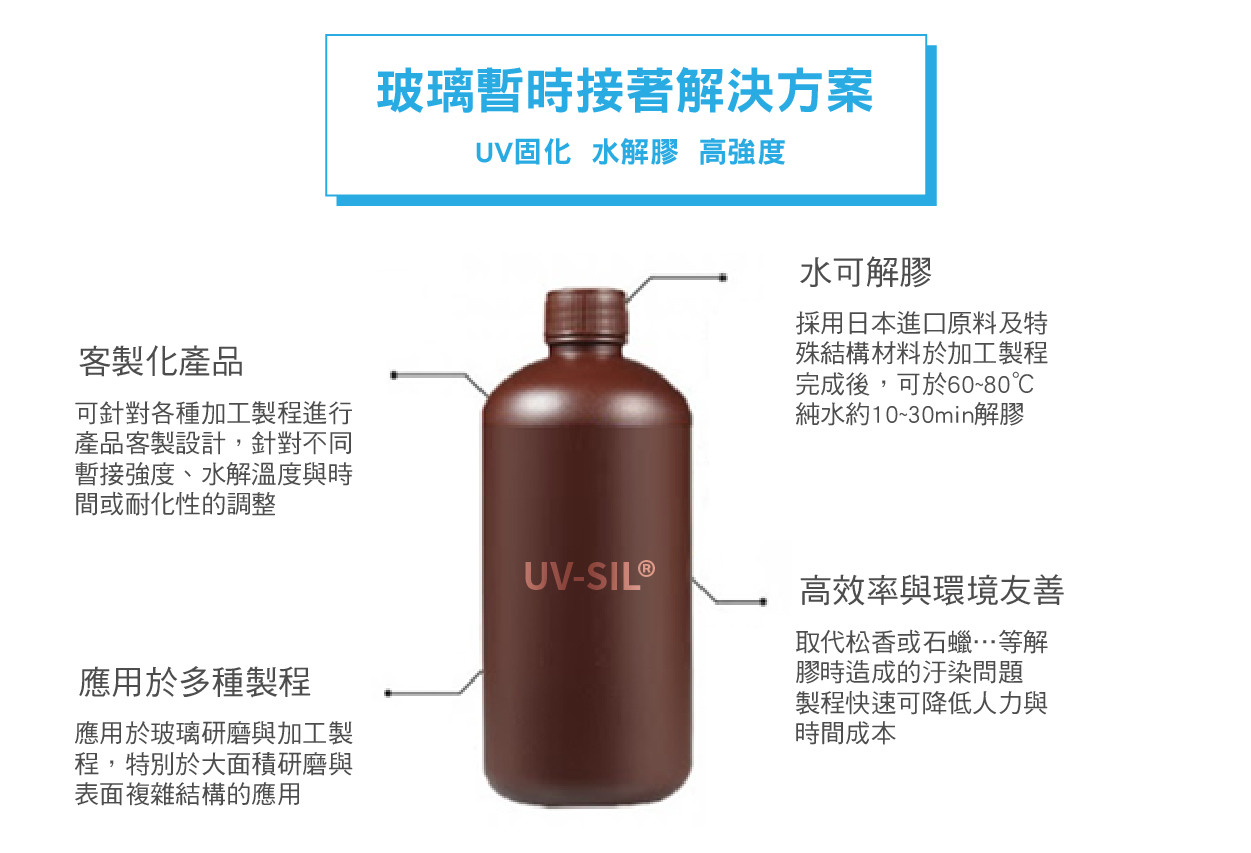
This UV-SIL® curing hydrogel has two types: the first type is a sheet-type that separates and floats in water, and the second type is an expansion type that turns into fragments or a paste, which requires filtration to remove the swollen colloid.
Sil-More Group specializes in producing high cost-performance quality UV adhesives, which can be developed into different product specifications according to different processes and needs, providing products with varying viscosity, bonding strength, and hydrolysis time. It can also provide different products based on the surface types of temporary bonding, such as flat or groove cutting and the composition systems of grinding fluids. These products have high adhesion after curing, are easy to debond, and meet various environmental protection requirements. At the same time, we continuously participate in customer demand customization, joint product development plans, and technical sales services, continuously improving product performance and innovation, providing customers with more diverse UV adhesive solutions.
─Written by: R&D Department
UVC LED ultraviolet purification and sterilization solution
Dow and Philips Lighting join forces to change the future of ultraviolet purification
Challenges
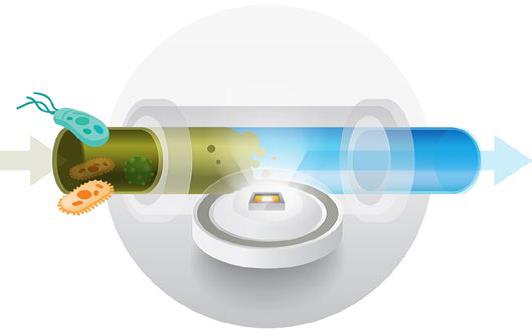
From coffee machines to air purifiers, all water purification technologies rely on Philips Lighting—the global leader in developing, manufacturing, and applying lighting solutions—for ultraviolet purification systems. These ultraviolet purification systems can prevent harmful bacteria and microorganisms from breeding in household appliances with water tanks, as well as various industrial and medical devices. "UV lamps come in all sizes, even very small sizes, but none can compare to this module created by Philips," said Merlijn Janssen, a system architect at Philips Lighting. "It can be used in many places where standard UV-C cannot be applied." However, this innovative process is not easy. To effectively transmit UV-C light into water for safe disinfection, Philips needs to integrate a UV-C transparent optical device and a waterproof sealing component to protect the internal electronic module from moisture.
Solutions
"We want to create a way for manufacturers to have more design flexibility while still providing optimal product performance," Janssen said, citing the case study: Philips Lighting (PHILIPS) solutions. To address these needs, Philips Lighting turned to Dow Chemical, a global leader in silicone and silicon-based solutions, products, technologies, and services. With Dow Chemical's expertise and a wide range of optical-grade silicone rubber, Philips Lighting used SILASTIC™ MS-1003 optical moldable silicone to solve all challenges.
"We want to create a way for manufacturers to have more design flexibility while
still providing optimal product performance." MERLIJN JANSSEN, Philips Lighting System Architect
SILASTIC™ MS-1003 optical moldable silicone
is a medium viscosity, medium Shore A hardness, rapidly curing optical moldable resin.
- Can be molded into complex shapes
- Heat resistant
- Higher resistance to yellowing than plastics
- Resistant to environmental aging
- Lighter than glass
- Transparent and stable to ultraviolet light
Unlike other hydrocarbon-based thermoplastic optical devices that are fundamentally opaque to UV-C, such as polymethyl methacrylate (PMMA) and polycarbonate (PC), SILASTIC MS-1003 silicone can transmit a large amount of light at UV wavelengths, including the UV-C range of 260-280 nm. This factor, combined with the medium Shore A hardness of this silicone, makes SILASTIC™ MS-1003 silicone the perfect choice for Philips Lighting's UV-C LED modules.
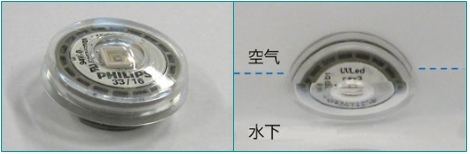
(Image: Provided by Philips Lighting) Philips UV-C LED disinfection module,
SILASTIC™ MS-1003 silicone molded optical device. The right image shows half submerged in water.
About moldable silicone rubber
SILASTIC™ brand silicone molding materials are specifically designed to meet the challenging demands of the optical market, including the need for good transmission, moisture resistance, and thermal stability. These two-component, thermosetting moldable silicones are particularly suitable for precision molding applications. To learn how we can support your application, please visit www.silmore.com.tw or cn.dow.com/lighting.
※Reference data is extracted from Dow's website promotional materials (Document No: 11-3847-40A)
─Written by: Domestic Business Department
Smart innovative TPE thermoplastic elastomer materials
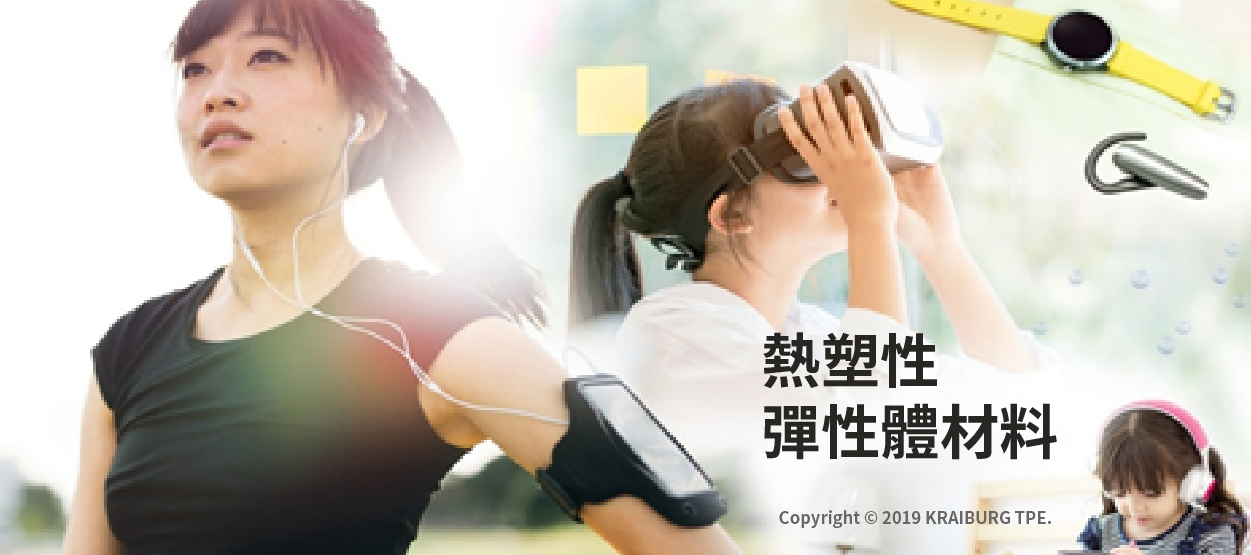 PE thermoplastic elastomers combine the elasticity of rubber with the plasticity of plastics, and are a non-toxic, environmentally friendly material. They are gradually replacing many existing petrochemical materials and are important products actively developed worldwide. The Sil-More Group collaborates with the globally renowned plastic manufacturer KRAIBURG TPE to explore a new field of engineering plastic agency services and create new material value, broadening the application areas of 'thermoplastic composites'.
KRAIBURG TPE is a global manufacturer of thermoplastic elastomers, known for its outstanding innovation capabilities, customer-oriented strategies, customized product solutions, and reliable global services.
Innovative TPE specifically designed for smart electronic devices
In today's market for smart devices and electronic consumer products, design features such as surface feel, scratch resistance, oil resistance, chemical resistance, and skin safety have become fundamental factors for consumers in evaluating product satisfaction. The Thermoplastic K, Niplas®, and KEROFLEX® series are three ideal TPE material solutions provided by KRAIBURG TPE for the smart electronic device sector.
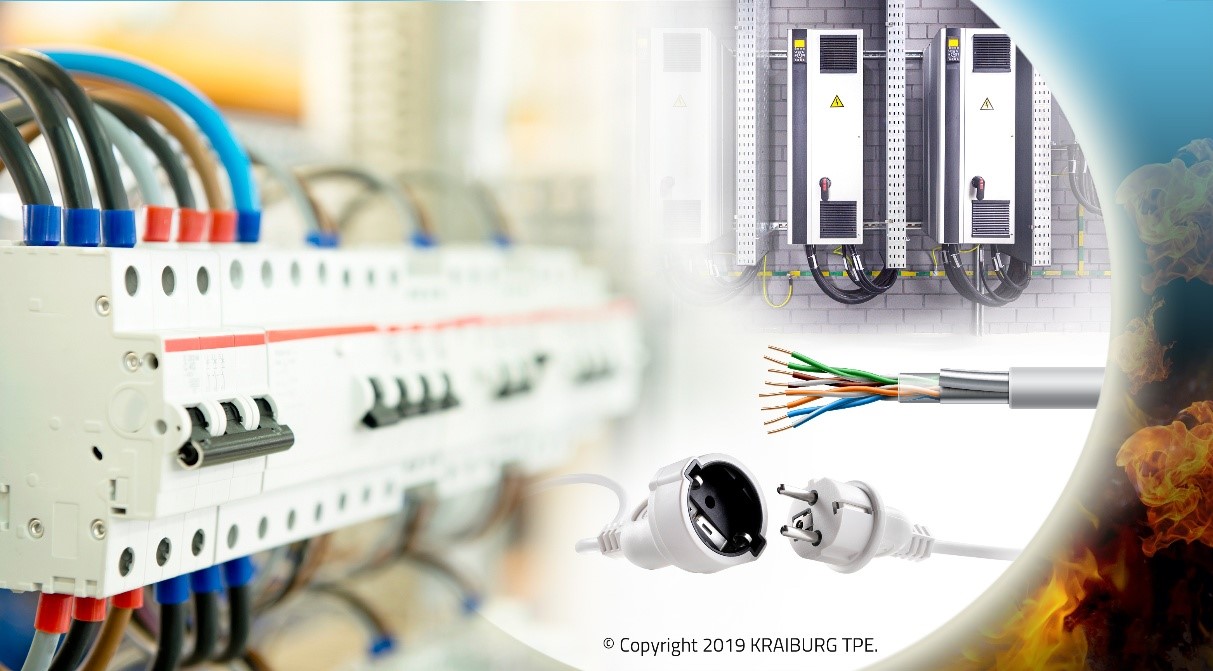
These series of TPE compounds have an extremely smooth velvety feel, high scratch resistance and wear resistance, and are resistant to sebum and oils applied to the skin (such as sunscreen and moisturizers). In addition, they have good weather resistance, making them preferred material solutions for semi-outdoor and outdoor applications. Finally, these compounds exhibit excellent adhesion and color stability to PC, ABS, PC/ABS, ASA, SAN, PA6, and PA12. If coloring materials are needed, it will help manufacturers simplify the coloring process. All products in this series have passed the UL94 HB flammability test standard certification, demonstrating excellent safety performance. KRAIBURG TPE's new lightweight TPE has a density as low as 0.7 g/cm³, which can significantly reduce the weight of components and final products in various application fields. Typical applications include: smartwatches, watch bands, mobile phones, controllers, audio devices, drones, remote controls, smart automatic luggage, virtual reality devices, and other electronic consumer products.
※Data source and images provided by KRAIBURG TPE
─Written by: Marketing Department
Understanding IMDS (International Material Data System)

Source of IMDS
Due to the complex composition of automotive components, it is difficult to manage and calculate the material composition of finished products, making it challenging to comply with EU regulations on finished products and the increasingly added green regulations. Therefore, the IMDS online material data system was developed in collaboration with several major automotive manufacturers (Audi, BMW, Daimler, EDS/DXC Technology, Ford, Opel, Porsche, Volkswagen, and Volvo).
What is the IMDS International Material Data System?
It is a database and analysis system for materials and components in the automotive industry. All stakeholders in the global automotive supply chain can use the IMDS system to create and provide 'Material (MDS) or Component (Component) data forms'. By creating, transmitting, collecting, and analyzing all 'material or component data forms' through the IMDS system, complex products can undergo weight analysis and review whether they meet 'industry mandatory standards and regulatory standards'. Currently, IMDS has become a global standard used in the automotive industry. In the American standard, the IMDS data list is one of the items in the PPAP list.
IMDS material (MDS) or component (Component) data form material data sheet
(MDS) Simply put, it is a list of ingredients and their contents in the formulation.
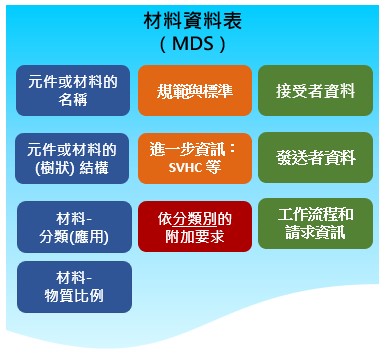
* MDS requires 100% of the materials in the final form, excluding volatile substances present in the original form.
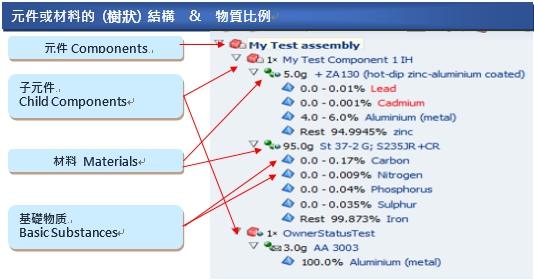
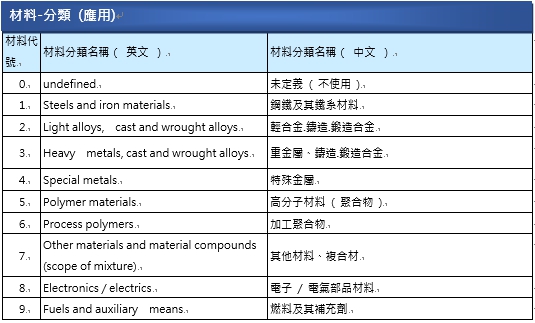
IMDS materials are divided into 9 major categories, each with subcategories that have different regulatory restrictions:
What regulatory standards and industry mandatory standards are currently reviewed by IMDS?
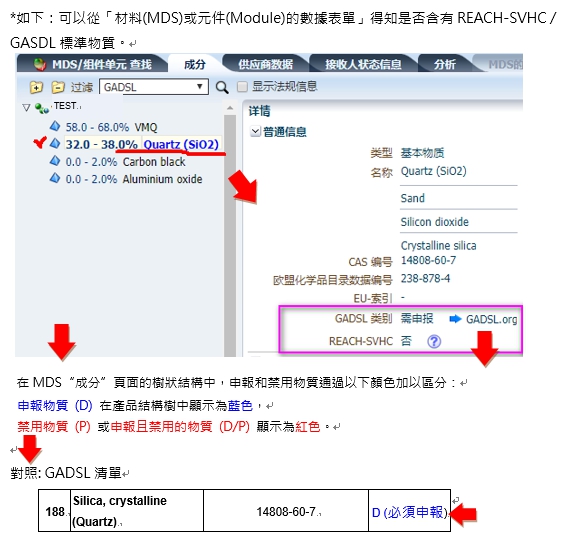
(1) GADSL/Global Automotive Declarable Substance List: The GLOBAL AUTOMOTIVE DECLARABLE SUBSTANCE LIST is a list of substances of concern established by the Global Automotive Stakeholders Group (GASG) for the automotive-related industry, classified according to the level of potential significant threat to human health and/or the environment: 'D' class - must be declared, 'P' class - prohibited, 'D/P' class - prohibited in certain applications and must be declared in others. Currently, the GADSL list contains about 230 compounds and over 3200 substances. (Updated once a year) www.gadsl.org
(2) REACH-SVHC/ EU List of Substances of Very High Concern: Substances of Very High Concern SVHC is a list of substances that require close monitoring as regulated by the EU REACH regulation (substances with high toxicity to the environment or human body). When the content and weight of substances in finished products reach the EU notification conditions, they must be reported to ECHA (European Chemicals Agency). (Updated twice a year)
https://echa.europa.eu/candidate-list-table
IMDS additional information?
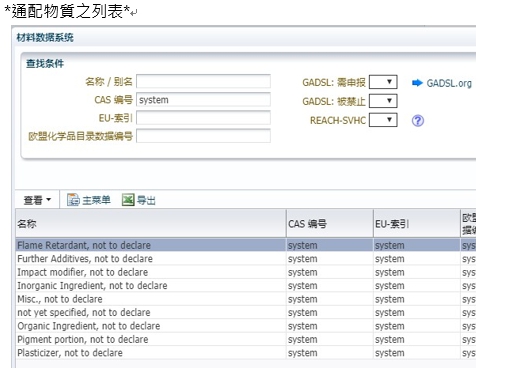
IMDS allows only 10% of the substances in materials to be generic substances. These substances do not define a specific substance. For example, 'Miscellaneous' or 'Not yet defined'. Substances that need to be reported cannot be replaced by generic substances.
The above is a brief explanation of IMDS. For further information, please visit the IMDS official website.
※Data source extracted from the IMDS website: https://bit.ly/2XxcZhS
─Written by: Quality Management Department
Sil-More Group 25th Anniversary Celebration
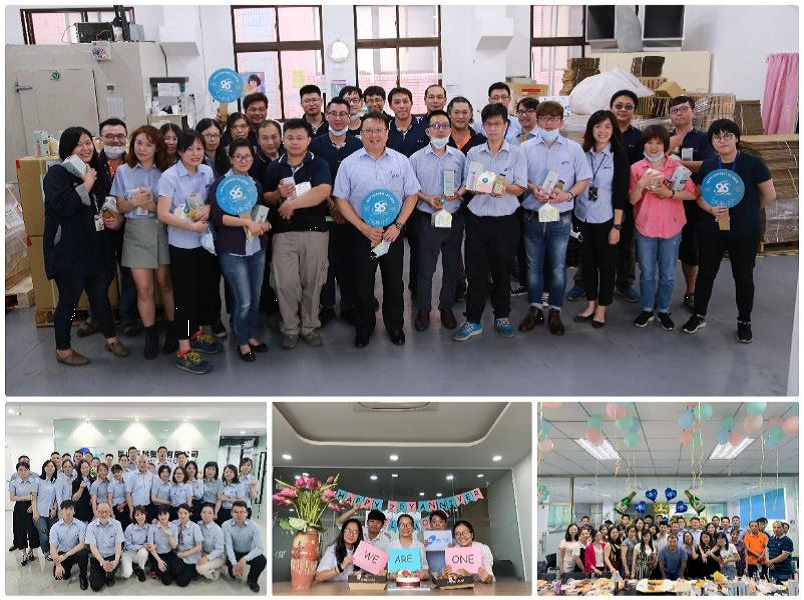
Sil-More Group is 25 years old! On May 25, 2020, CEO Yang and everyone witnessed this important moment together, and special commemorative gifts were presented to each colleague as a memento, symbolizing harmony and sustainability. The Sil-More Group has gone through 25 years, and we thank every customer, manufacturer, and partner for their companionship. In the future, we will continue to provide the most professional and comprehensive services, creating an infinite future together with you!
─Written by: Marketing Department
2020 Group Exhibition Update Announcement
As the COVID-19 pandemic gradually eases, domestic and international exhibitions will gradually reopen. The recent exhibition information of the Sil-More Group is as follows. However, since the pandemic is still under high alert, any changes and adjustments will be immediately announced on the official website. Please continue to pay attention to our latest news!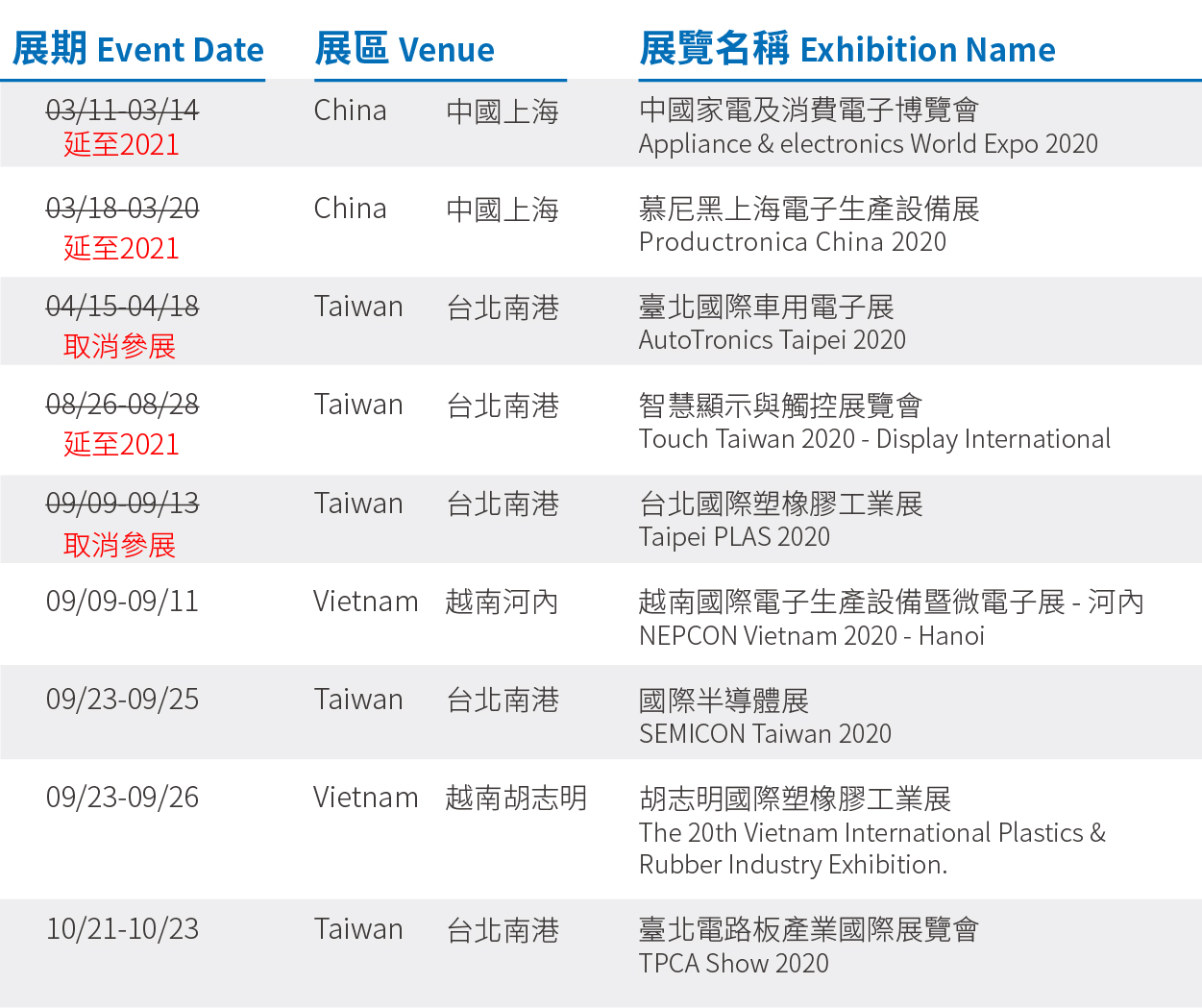
─Written by: Marketing Department

China Kunshan Subsidiary
TEL:+86-512-5778-9977
FAX:+86-512-5778-9944
E-Mail:silmore@silmore.com.cn
Website:http://www.silmore.cn/
Address: 13th Floor, Building 4, Chengbei Lake Commercial Center, 1188 Chengbei Road, Yushan Town, Kunshan City, Jiangsu Province, 215300
China Dongguan Subsidiary
TEL:+86-769-8541-8158
FAX:+86-769-8541-9158
E-Mail:service@silmore.com.cn
Website:http://www.silmore.cn/
Address: No.8 Huafu Road, Shangsha No.6 Industrial Zone, Chang 'an Town, Dongguan City, Guangdong Province, China 523000