
Sil-More Newsletter - Issue 18: Promoting Eco-friendly Materials to Build a Green Supply Chain
2018/06/07|Subscribe to the newsletter
Promoting environmentally friendly materials to build a green supply chain
2018 Q1 exhibition highlights
Taipei headquarters family day - public beach cleaning activity
2018 Q2 exhibition preview
 Promoting environmentally friendly materials to build a green supply chain
 The demand for green design in Wuxi products is a major trend. In response to the EU's environmental protection regulations, suppliers should plan ahead to cope with this, including green thinking in material selection, product choice, and process aspects, to reduce changes in materials or processes required when green directives are implemented. Establishing better trust with customers in green supply can help maintain orders or long-term partnerships.
Organic tin compounds(Organic Tin Compound)Uses and hazards
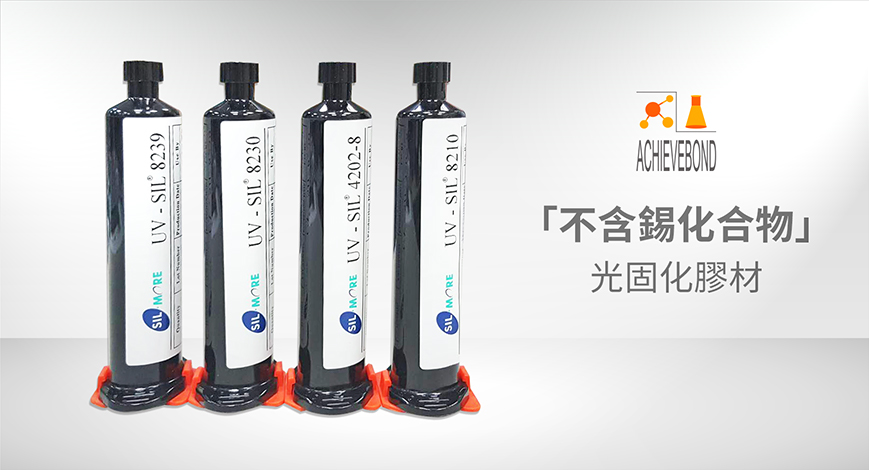
Most of these compounds are primarily used as catalysts to accelerate chemical reactions in light-curing adhesives (UV adhesives), commonly used in the polymerization of polyurethane, polyester, and silicone resins. The most common organic tin catalyst is dibutyltin (DBT).
In recent years, the use of organic tin compounds has received high attention. Organic tin compounds are environmental pollutants, particularly harmful to aquatic environments and human health. Therefore, items containing organic tin compounds are subject to strict restrictions.
Organic tin compounds used in consumer products have been confirmed to harm human health, especially children. The reported health hazards include:
• Potential harm to the liver and kidneys
• Potential disruption to enzyme systems
• Potential disruption to biochemical processes (such as hematopoiesis)
As the EU increases the regulation of organic tin compounds (Organic Tin Compound), it significantly impacts the industries of polyurethane, polyester, and silicone resins. Using tin compounds as catalysts can achieve high conversion efficiency with low usage, which is unattainable by other metal catalysts. However, non-tin catalyzed systems differ in synthetic design, production processes, and product stability, so the market still predominantly features UV adhesive systems catalyzed by tin compounds. However, Sil-More Group's Sil-More Technology Materials Co., Ltd. has launched a series of UV adhesives that are "tin compound-free" such as UV-SIL8239, UV-SIL4202-8, etc. These products have high adhesion and flexibility, widely used in bonding applications for glass, plastics, metals, and various substrates, for example: glass-to-glass bonding can reach a high shear strength of 185Kg/cm.2Tested by SGS, it complies with EU regulations on organic tin compounds (Organic Tin Compound).
Sil-More Group's Sil-More Technology Materials Co., Ltd. promotes environmental protection, safety, and hygiene in its business, complying with domestic regulations while aligning with international standards. We hope that our strict scrutiny and commitment to materials can help build a green supply chain with our customers and fulfill corporate social responsibility.
──Written by:R&D Department Peng Yan-Hua Mini Peng
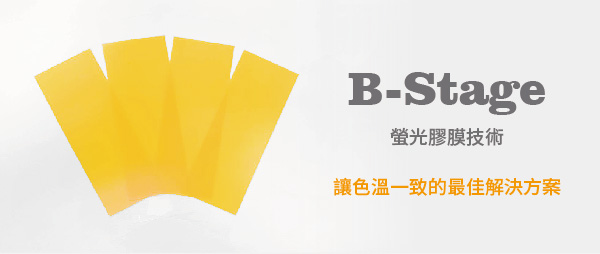
Dow Chemical launches new B-Stage fluorescent adhesive film technology
In response to the increasing applications in smart lighting, automotive lighting, displays, and backlighting, the demand for LED drivers is growing. The LED packaging market has rapidly grown in recent years, and to maintain this impressive growth rate, high-power LEDs must provide higher reliability, lower power consumption, and thinner dimensions while achieving higher contrast and color accuracy to cope with various ambient lighting conditions. Therefore, key materials will affect the luminous efficiency of the LED packaging process and the design direction of component miniaturization.
In the LED packaging industry, semiconductor technology - chip scale packaging (CSP) has given rise to CSP LEDs, which are only one-tenth the size of traditional packages, small in volume, low thermal resistance, wide viewing angle, and can eliminate the need for brackets and wire bonding processes, reducing the price difference compared to traditional packaging. Its characteristics include small size and wide viewing angle, reducing the number of components, which promotes applications in backlight modules, including mobile phones, computer screens, and televisions; as smartphones become thinner and multifunctional, more modules must be integrated, such as the small size and high power flash (CSP Flash) which is also one of the components; of course, it is also important to mention the high brightness and light consistency requirements in the automotive headlight market.
2012~2021 chip scale packaging LED production forecast
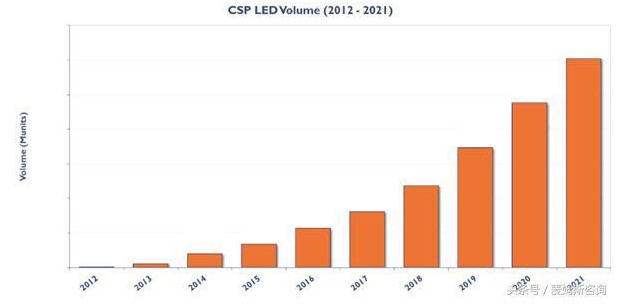
※Source: https://kknews.cc/zh-tw/tech/engqzqr.html
Due to the specificity of CSP LED packaging, traditional potting processes are used, applying fluorescent adhesive on the chip surface. Issues such as the particle size of the fluorescent powder, sedimentation, uniform dispersion of the fluorescent powder, chip adhesion strength, and interface stress directly affect the color temperature drop bin rate and reliability. Therefore, Dow Chemical (formerly Corning) has introduced a new optical-grade packaging material - a fluorescent packaging film made from curable hot-melt silicone, also known as B-Stage fluorescent adhesive film. After mixing this adhesive with fluorescent powder and passing through a film-making machine for thermal curing, it presents a semi-solid state with slight stickiness, which is the fluorescent adhesive film; at this time, the adhesive film is placed flat on the LED module, and when the temperature is between 80℃ and 140℃, a thermal pressing process is performed, causing the adhesive to melt and completely cover the chip, and then heating to 150℃ to fully react the adhesive, which is an irreversible reaction. This innovative material can simplify the production process, reduce costs, provide better design flexibility, and also reduce the sedimentation of fluorescent powder and improve uniformity, helping to enhance yield and achieve superior CSP LED packaging processes.CSP LED packaging structure diagram
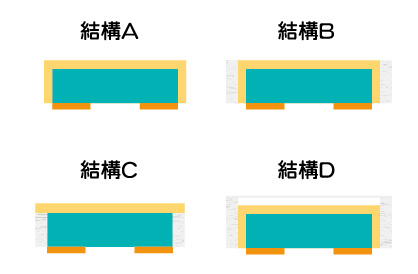
StructureA:The fluorescent film directly covers the chip, forming a 5-sided emitting CSP LED.
StructureB:Using fluorescent film to coat the chip, and utilizing white high-reflective silicone to create a vertical surface, forming a single-sided light-emitting structure.
StructureFirst, form the white high-reflective silicone vertical surface, and then use thermal pressing to shape the fluorescent film, which is also a common single-sided light-emitting structure.:After using fluorescent adhesive to coat the chip to form a 50~70um ultra-thin fluorescent layer, utilize white high-reflective silicone to create a vertical surface, and then use transparent silicone for potting protection inside the reflective cup.
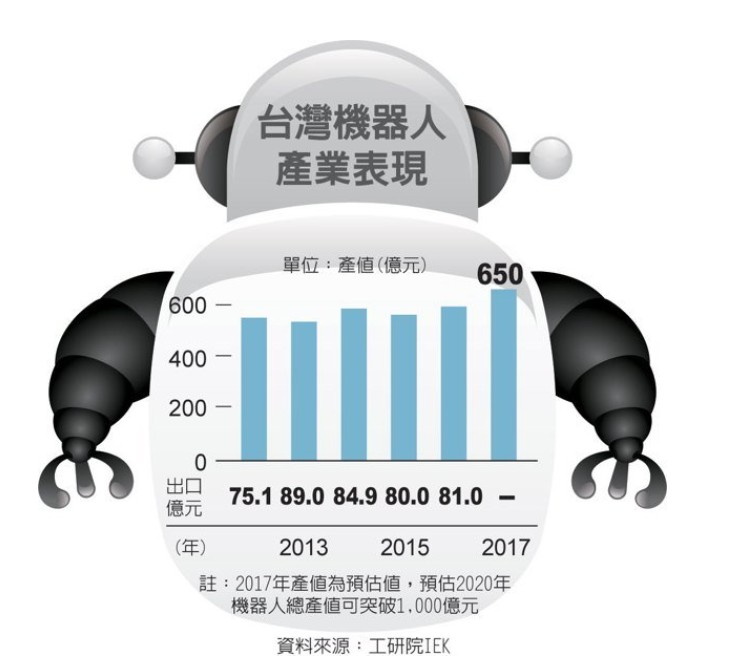
StructureThe current LED industry is innovating towards miniaturization and refinement, which will be a new challenge for the LED market. Sil-More provides various application materials for LED packaging processes; in an era of rapid technological change, we adhere to an innovation service-oriented approach, offering the best Integrated Total Solution to assist customers in their applications and layouts in the LED field.:The breakthrough in AI technology has given a boost to the smart robotics industry, making it a key step towards Industry 4.0. In 2018, the global industrial robot market is estimated to reach 1.1 trillion TWD. In recent years, the demand for robots in the Asian market has grown rapidly. According to a report published by the International Federation of Robotics (IFR), the density of industrial robot usage in global manufacturing is growing fastest in Asia, with Taiwan ranking tenth. The Asian market is dominated by mainland China, while Taiwan is an important market that cannot be ignored.
According to the International Federation of Robotics (IFR), robots are divided into industrial robots and service robots. Currently, industrial robots account for 80% of the global robot market share, far exceeding that of service robots. From a mechanical structure perspective, industrial robots can be categorized into: single-axis robots, coordinate robots, horizontal multi-joint robots (SCARA), vertical multi-joint robots, and parallel robots (DELTA).
The Taiwanese robotics industry will shift from manufacturing to information services, and the next ten years will be a crucial stage for the development of smart robots in Taiwan. Before 2027, Taiwanese robotics companies will primarily focus on hardware sales; after 2027, the business model for industrial robots will shift to collecting and selling information in an IoT environment constructed by 5G, which is an innovative mindset that industrial robot manufacturers should start familiarizing themselves with now.
Smart Industry 4.0 leap forward, an appointment with future robots

However, under the trend of manufacturing intelligent industrial robots, the demand and urgency for industrial automation development are evident from the perspectives of demand, supply, and investors. Industrial robots will play an important role in the rapid construction of smart manufacturing cities in the future.
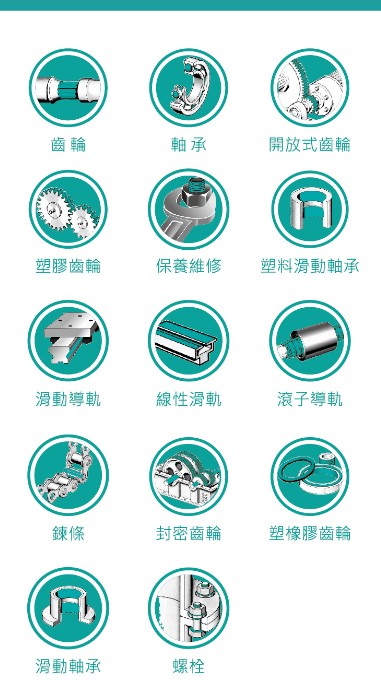
The Molykote™ (摩力克) products represented by Sil-More can provide special lubrication applications for various key components of industrial robots. For instance, the most commonly used harmonic reducers and RV reducers in robot construction have corresponding lubrication applications as follows.
Harmonic Reducer
Advantages of harmonic gear transmission: – Large transmission ratio. – Small size, lightweight. – Many teeth engage simultaneously, providing smooth transmission and higher load capacity. – Low friction loss, high transmission efficiency. – The downside is that the flexible wheel is prone to fatigue and damage, and the starting torque is relatively large. *Lubrication requirements for harmonic gears: – Good wear resistance to ensure long-term transmission accuracy. – Low friction coefficient to guarantee transmission efficiency. – High load capacity. – Low motion resistance, usually using NLGI#00 grease. – Good thermal stability.
RV Reducer
- *Advantages of RV gear transmission
- – High torsional stiffness. Small elastic backlash under rated torque.
- – High precision and small gap backlash.
– Small size when transmitting the same torque and power.
*Lubrication requirements for RV gears
– Load capacity, impact load resistance.
– Good wear resistance to ensure transmission accuracy over time.
– Low friction coefficient to maintain transmission efficiency.
– Low motion resistance, usually using NLGI#00 grease.
– Good thermal stability, not easily lost under prolonged high temperatures.
4. Lubrication maintenance for reducer replacement
- The robot needs to replace the lubricating grease for each axis reducer and gear box every three years or after 10,000 to 20,000 hours of operation (the specifications may vary slightly by manufacturer).
- New grease should be injected using a grease gun until all old grease is expelled and new grease is visible. In special cases where parts need to be replaced, lubricating grease can be replaced simultaneously with bearings and gears.
Sil-More is deeply committed to the development of the automation industry and never takes localized service lightly. Dow Chemical's Molykote™ (摩力克) officially celebrates its 70th anniversary this year, having gained the favor and use of many large manufacturers, establishing a brand position that is hard to shake and worthy of customer trust, providing excellent product stability and quality assurance.
Molykote (摩力克) special lubrication oil applications
Image source:
http://www.molykoteproduct.com/en
─Written by: Business Department, 曾永吉 Arias Tseng
You should often hear about conducting REACH SVHC investigations.So what exactly is SVHC?
SVHC, or Substances of Very High Concern, refers to certain chemical substances that pose significant toxicity risks to the environment and human health.
HSF case sharing § SVHC highly concerned substances

SVHC is regulated under the EU REACH (Registration, Evaluation and Authorization of Chemicals System) new chemical policy, with the authorization list published in Annex XIV of the REACH regulation (Annex XIV also specifies 'restricted substances', which is different from substances of very high concern and can be explained separately).
The assessment and review process for SVHC under EU REACH is as follows:
1. Substances that are carcinogenic, mutagenic, or toxic to reproduction (CMR);
SVHC是受欧盟REACH (Registration, Evaluation and Authorization of Chemicals System-化学品登记、评估及授权之机制) 新化学品政策所规范,授权清单公告于REACH法规中的附录XIV中 (附录XIV中另有规范”限制物质”,这是跟高度关注物质是不同的,有机会另作解释)。
欧盟REACH高度关注物质评估审议的方式是:
1. 具有致癌,致畸及生殖毒性(CMR)的物质;
2. Substances with persistent bioaccumulative toxicity (PBT) or very persistent and very bioaccumulative toxicity (vPvB);
3. Specific circumstances indicate that there is scientific evidence showing that substances may cause serious harm to human health or the environment (e.g., endocrine disruption).
When a substance is added to the SVHC list, if the product contains substances from the list exceeding 1000 ppm, and the annual input of individual substances exceeds one ton, it must be reported to the European Chemicals Agency within the deadline.
REACH announced the first batch of SVHC substances in October 2008. Since then, announcements have been made every six months. As of January 2018, REACH has announced 18 batches of substances, totaling 181 items.The focus is on"every six months"announcing once!!!
Because a batch is announced every six months, it is often heard that investigations are needed, which means the beginning of our busy work.
Therefore, if a customer requests an SVHC test report, preparations must be made for inspections every six months, and the items will increase every six months!
So, what are hazardous substances/HS?
It refers to any substances that are prohibited, restricted, reduced in use, or required to report their presence according to applicable green environmental directives (regulations) or customer requirements; these substances themselves pose a threat to human health or environmental safety. Different green environmental directives define their hazardous substances/HS and the limits of hazardous substances/HS based on the environmental goals to be achieved, and manage the hazardous substance-free/HSF.
HSF is the abbreviation for Hazardous Substance Free, which means "no hazardous substances" in Chinese, that is, "reduction of hazardous substances", and more precisely refers to "the restriction of hazardous substances/HS in products: reduction or elimination".
Each company will choose one or more green environmental directives (regulations) to achieve their desired environmental goals as management norms for hazardous substance-free/HSF. Therefore, the requirements for hazardous substance-free/HSF vary from company to company, meaning that the restricted substances and limits of hazardous substance-free/HSF also differ somewhat.
The following briefly introduces several commonly selected green environmental directives (regulations) and the restricted substances and their limits under hazardous substance-free/HSF. Note: There is also a hazardous substance management system certification and certificate (IECQ-QC080000), which is another topic.
- RoHS/RoHS2.0European UnionRestriction of Hazardous Substances Directive(Restriction of Hazardous Substances Directive), used forelectricalelectrical equipment.

- Halogen Free(Halogen Free)Specification
| Controlled substances | Limits |
| Bromine (Br) | 900 ppm (0.09%) |
| Chlorine (Cl) | 900 ppm (0.09%) |
| Bromine (Br) + Iodine (I) | 1500 ppm (0.15%) |
- REACH (Registration, Evaluation, Authorization and restriction of Chemicals)Specification-The safety legislation for the registration, evaluation, authorization, and restriction of chemicals applies to all chemicals. The substances most commonly investigated in companies areREACHinThe restrictions for hazardous substance-free/HSF are as follows:
- REACHAppendixXIVProhibited/Restricted substances(Substances restricted under REACH)
The scope of application of the REACH restricted substances list and their limits:https://echa.europa.eu/substances-restricted-under-reach
- REACH SVHCSubstances of Very High Concern
SVHC substances of very high concern announcement list:https://echa.europa.eu/candidate-list-table
Regulations on substances of very high concern in finished products: From the time a substance is included in the list of substances of very high concern, if an individual manufacturer or importer has a total annual amount of the substance in their "finished product" that exceeds 1 ton, and the concentration of the substance in the "finished product" exceeds 1000 ppm (0.1%), they must report to the European Chemicals Agency within the specified timeframe.
Regulations on substances of very high concern in mixtures: From the time a substance is included in the list of substances of very high concern, if its mixture is not classified as hazardous by the UN GHS harmonization system, but due to requests from the product recipient and under the following circumstances, the mixture supplier should provide an SDS: non-gas mixtures with individual concentrations ≥ 1000 ppm (0.1%) or gas mixtures with individual concentrations ≥ 2000 ppm (0.2%), and at least one substance poses health or environmental hazard risks; or non-gas mixtures with individual concentrations ≥ 1000 ppm (0.1%), and at least one substance is PBT or vPvB.
- Other green environmental directivesRegulationsEU Package and Package Waste Directive (94/62/EC), Proposition 65 California Act, ASTM F963-17 Toy Safety Standard Consumer Safety Regulations, Washington State - Children's Product Safety Act (CSPA)...... The above is for reference only, as there are many types, it is impossible to list them all, it is recommended to refer to the following official websites.Reference Data:
2. International Chemicals Policy Advocacy Network
3. ECHA REACH
4. SGS Halogen Testing
5. BSI IECQ QC080000 Hazardous Substance Process Management System
4. SGS Halogen Testing
7. Hongyong Precision Electronics Report
Sil-More Group held two exhibitions this quarter in Shanghai, organized by the Kunshan branch. To provide professional technical consultation, the headquarters specially sent personnel to support, and there was enthusiastic communication with customers on-site, with excellent product inquiries. Thanks to all the exhibitors for their joint efforts, the results were fruitful and a great success.
Exhibition Introduction:
2018 China Household Appliances and Consumer Electronics Expo
(Appliance & Electronics World Expo, referred to as AWE2018). Held from March 8 to March 11 at the Shanghai New International Expo Center. It integrates the household appliance, consumer electronics, and smart industry ecosystem, linking the upstream and downstream of the industrial chain, and gathers related industries in the global household appliance and consumer electronics field, showcasing a large-scale comprehensive exhibition that outlines the future smart living scenarios and beautiful life blueprint for global consumers.
2018 Munich Shanghai Electronics Show (Electronica China), held concurrently with the 2018 Munich Electronics Production Equipment Exhibition.
6.2018 Munich Shanghai Electronics Show (Electronica China), held concurrently with the 2018 Munich Electronics Production Equipment Exhibition.
From March 14 to March 16 at the Shanghai New International Expo Center, focusing on showcasing semiconductor, sensor technology, micro-nano systems, power supplies, passive components, switch and connector technologies, etc., emphasizing cutting-edge technologies and application solutions in industrial electronics, automotive, consumer electronics, communication systems, IoT applications, medical electronics, military, aerospace, etc. The automotive technology day and exhibition section will be launched for the first time, focusing on smart automotive electronics and electric vehicle technology applications. The three-day exhibition received a total of 77,765 professional visitors, an increase of 14% compared to the previous session.
─ Written by: Marketing Department
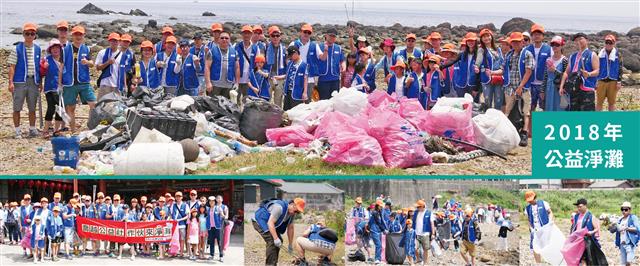
Sil-More Company cares about social and environmental issues, is committed to corporate social responsibility, actively participates in giving back to society, regularly holds public welfare activities for cleaning mountains and beaches, to maintain Taiwan's beautiful coastline. This year, we specially collaborated with Tai Lian Enterprise Co., Ltd. to hold the "Public Welfare Beach Cleaning Family Day," where all employees participated with their families in cleaning the beach and loving the Earth, hoping to gradually reduce marine waste year by year, leaving behind white sandy beaches for future generations to run barefoot and clear blue seas for fish to swim freely.
2018 Q1 exhibition highlights
─ Written by: Welfare Committee Zoe Yu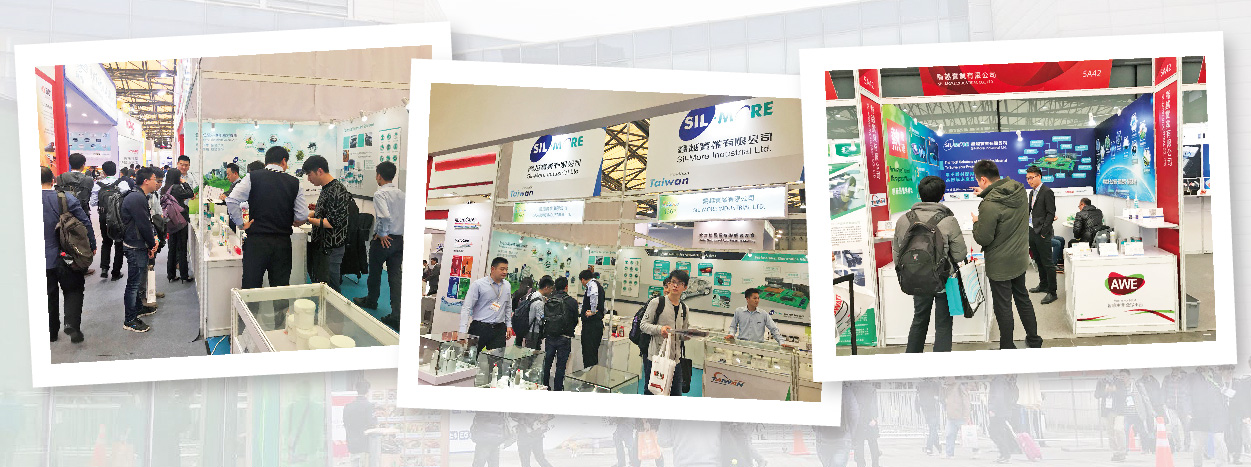
─ Written by: Marketing Department Marketing
- 2018中国家电及消费电子博览会(Appliance & Electronics World Expo,简称AWE2018)。3/8-3/11于上海新国际博览中心召开。融合家电、消费电子及智能产业生态圈、联动产业链上下游,并聚集全球家电及消费电子领域相关行业,精粹于一身的大型综合性展会,为全球消费者勾勒出未来智慧生活场景和美好生活蓝图。
- 2018慕尼黑上海电子展(Electronica China),同期2018慕尼黑电子生产设备展一同举辨。3/14-3/16于上海新国际博览中心,重点展示半导体、传感器技术、微纳米系统、电源、无源组件、开关及连接器技术等,着重于工业电子、汽车、消费电子、通信系统、物联网应用、医疗电子、军工、航空航天等尖端技术及应用解决方案。并将首次推出汽车技术日暨展览会板块,聚焦智能汽车电子及电动车技术应用。展期三天共接待77,765名专业观众莅临参观,相比上届增长了14%。
─撰文: 营销部GO TOP
Taipei headquarters family day - public beach cleaning activity
2018 Q2 exhibition preview
─撰文: 营销部 Marketing

China Kunshan Subsidiary
TEL:+86-512-5778-9977
FAX:+86-512-5778-9944
E-Mail:silmore@silmore.com.cn
Website:http://www.silmore.cn/
Address: 13th Floor, Building 4, Chengbei Lake Commercial Center, 1188 Chengbei Road, Yushan Town, Kunshan City, Jiangsu Province, 215300
China Dongguan Subsidiary
TEL:+86-769-8541-8158
FAX:+86-769-8541-9158
E-Mail:service@silmore.com.cn
Website:http://www.silmore.cn/
Address: No.8 Huafu Road, Shangsha No.6 Industrial Zone, Chang 'an Town, Dongguan City, Guangdong Province, China 523000