
Sil-More Newsletter - Issue 7 "Internet of Things" Achieving Innovative Digital New Life
2015/08/06|Subscribe to the newsletter
Internet of Things: Achieving an Innovative Digital Life
3D printing powerhouse Sil-More dedicated to the development of light-curing materials
New generation two-component instant adhesive, perfect fit without paint loss
Experimental case sharing - Rheological solutions
Innovative professionalism, achieving partners: Sil-More 20th anniversary celebration
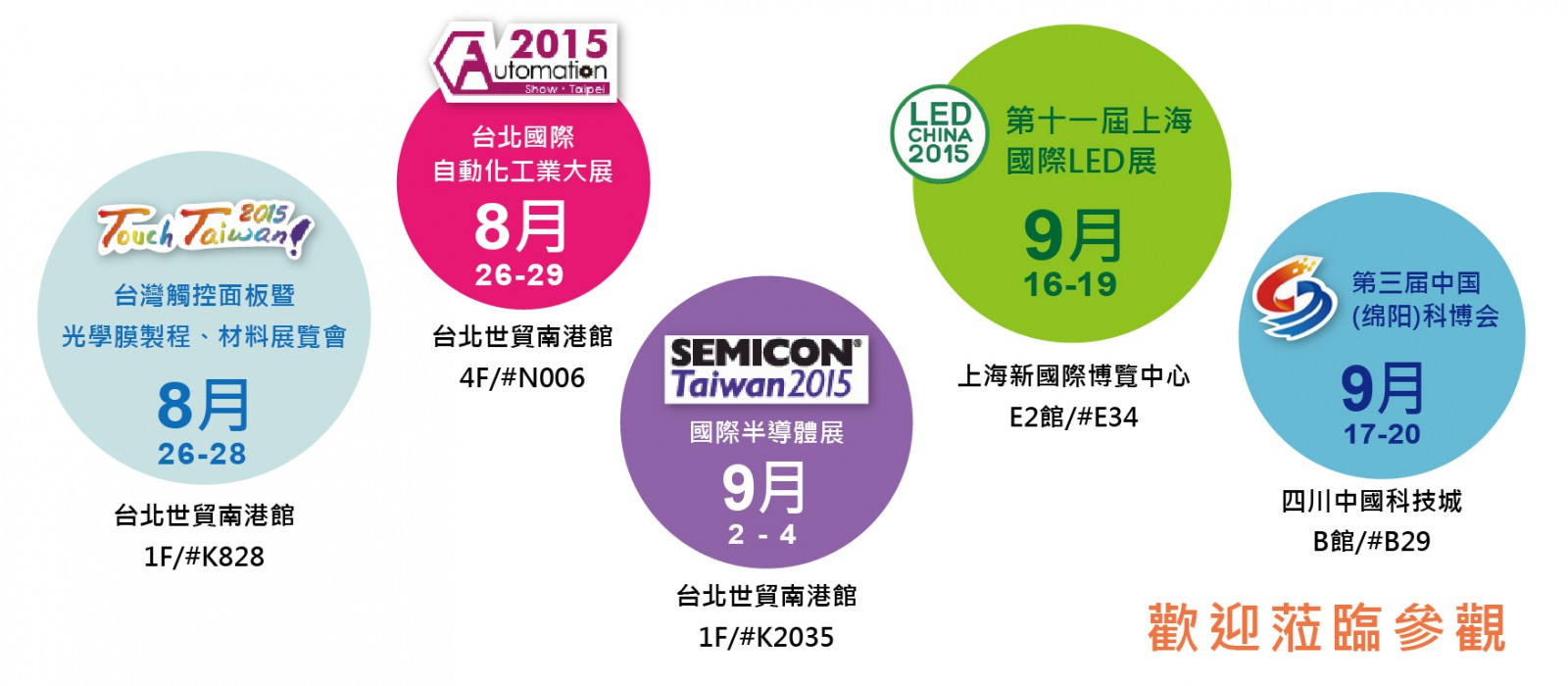
Sil-More Group 8~9 month exhibition preview
 "Internet of Things" Achieving an Innovative Digital Life
The Internet of Things (IoT) is a network based on the Internet and traditional telecommunications networks, allowing all independently addressable ordinary physical objects to connect and communicate. The IoT is generally a wireless network, and since the number of devices around each person can reach from one thousand to five thousand, the IoT may include 500 million to 1 trillion objects. On the IoT, everyone can use electronic tags to connect real objects to the internet, and their specific locations can be found on the IoT. Through the IoT, centralized management and control of machines, devices, and personnel can be achieved using a central computer, as well as remote control of home devices and cars, and searching for locations to prevent theft.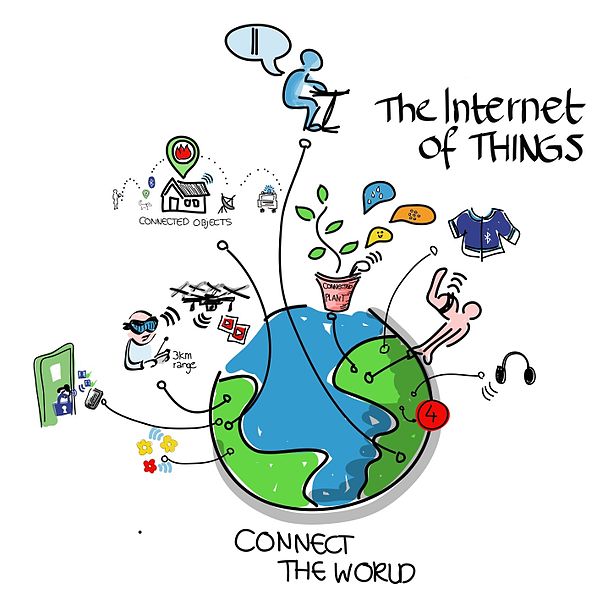
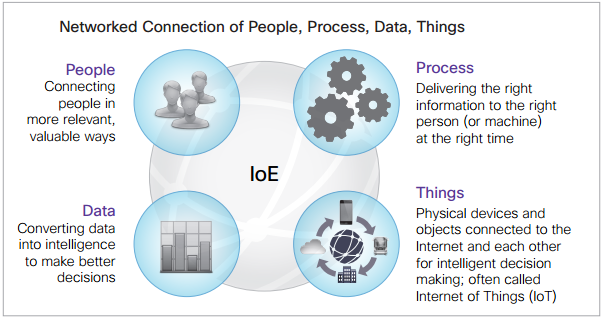
For example, in a home refrigerator, sensors are installed inside to determine the quantity and weight of food. When food is insufficient, it sends a message to the user and provides timely promotional information from nearby stores, even allowing for direct purchase and delivery. This usage scenario illustrates the four important elements shown in the diagram: objects, data, users, and information processing.
Liu Yunhao, ed. Introduction to the Internet of Things. Beijing: Science Press. 2010-12: 4. ISBN 9787030292537(Simplified Chinese).Luigi Atzori, Antonio Iera, Giacomo Morabito. The Internet of Things: A survey (PDF). Computer Networks. 2010.
Special optical-grade epoxy resin for LED packaging, EASY!
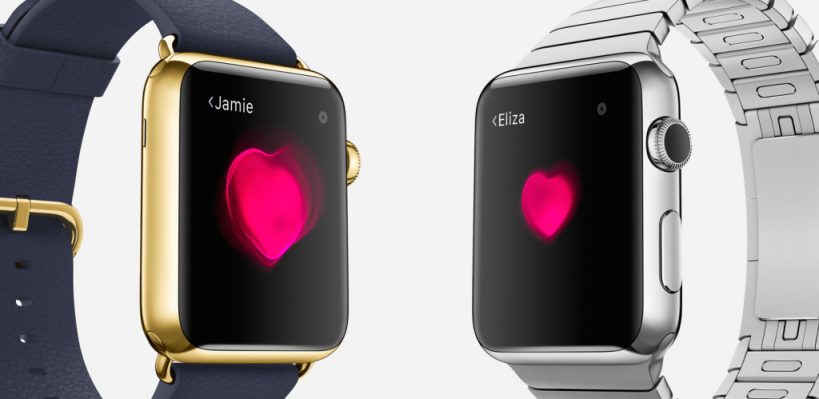
Image source: Apple website
Many people may buy the Apple Watch for the Apple brand, but of course, the Apple Watch has its strengths. For me, it’s not its function as a mobile phone accessory that attracts me, but the new communication mode it opens up: you can hand-draw doodles to convey messages, and more importantly, you can send your hot heartbeat image to the other person, full of love and deep ambiguity. To achieve this function, the built-in heart rate sensor of the Apple Watch is essential.Apple recently announced the working principle of its built-in heart rate sensor. Apple's technical support document shows that the heart rate measurement cycle of the Apple Watch is once every 10 minutes, and the data is stored in the Health app. This measurement information, combined with other collected data, calculates the calorie consumption of the wearer.
On the heart rate sensor, the principle of photoplethysmography used by the Apple Watch is explained as follows...
Blood appears red because it reflects red light and absorbs green light. The Apple Watch uses green LED lights, combined with light-sensitive photodetectors, to measure the blood flow through the wrist at any given moment. When the heart beats, the blood flow through the wrist increases, and the absorbed green light also increases; during the intervals between heartbeats, the blood flow decreases, and the absorbed green light decreases accordingly. The two built-in green LED lights of the Apple Watch can flash hundreds of times per second, thus calculating the heart rate per minute.
Using green LED photoplethysmography to measure heart rate is more of an alternative solution, as the Apple Watch uses infrared light during the ten-minute heart rate measurement cycle. However, when "infrared measurement cannot read enough data, the Apple Watch switches to green LED." Additionally, to compensate for heart rate signals and avoid weak signals affecting readings, Apple has stated that the heart rate sensor has been specifically designed, such as increasing LED brightness and sampling rate.
Source: Apple website
Note (1): How do LED optical sensors measure biometric values on wearable devices?
How do LED sensors measure pulse rate and blood oxygen saturation? Dr. Jörg Heerlein explains that the main measurement method is photoplethysmography (PPG), which measures the reflected light absorbed by the LED. The LED emits light of different wavelengths, which is reflected back after passing through the skin or other body tissues, and then captured by the sensor's detector. The data collected from the reflected light can provide biometric readings to determine physiological or health status.Additionally, the amount of blood in the vessels changes periodically with the heart's pumping action. Therefore, the sensor can determine the pulse rate from the readings obtained from the reflected light. However, to achieve optimal results, different body parts require different wavelengths of LED light. For example, green light (530nm) is suitable for sensors worn on the wrist, while sensors for fingers typically use red light (660nm) and infrared light (940nm).
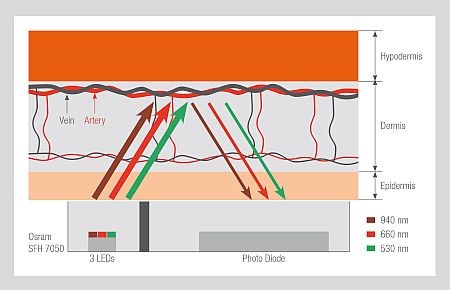
▲The principle of measuring reflected light pulses. The light emitted by the sensor passes through the skin and tissue and is absorbed or reflected back to the detector.
The same principle applies to measuring blood oxygen saturation, where the optical sensors still use standard wavelengths of red and infrared light. Compared to traditional blood sample extraction to detect changes in oxygen content in the blood vessels, this non-invasive detection method provided by LED optical sensors is more convenient.Data source: LEDINSIDE report GO TOP
The growth potential of infrared LEDs in security monitoring applications is significant.
According to the latest report from TrendForce's LEDinside, titled "Global LED Supply and Demand Market Analysis for Q2 2015," the market size for infrared LEDs in security monitoring applications is expected to reach 94 million USD in 2014, and is projected to reach 120 million USD in 2015.Wu Yingjie, the deputy manager of LEDinside, stated that safety monitoring is ubiquitous, and developed countries need safety monitoring products to enhance public construction spending, while countries with political and social turmoil, such as those in Central and South America, the Middle East, and India, have even higher demand. Major infrared LED manufacturers include Japan's EPITEX, European manufacturer Osram Semiconductor, and Taiwanese manufacturers Jingdian, Guanghong, and Yanjing, all of which have achieved considerable success in the infrared LED market.
Near-infrared LEDs have a main wavelength of about 750nm to 1,400nm, primarily used for imaging, including applications in surveillance cameras. Cameras with night vision capabilities generally use CCD or CMOS image sensors, paired with infrared LEDs of 850nm or 940nm wavelengths. However, due to the higher cost of CCDs, the current best cost-performance ratio is achieved with 850nm infrared LEDs paired with CMOS, which holds a significant market share in security products.
Wu Yingjie pointed out that looking at the development trends of infrared LED security applications, the future 3535 LED packaging will gradually replace traditional LAMP packaging products. Currently, infrared LEDs are divided into traditional LAMP packaging types, SMD packaging types, and high-power LED packaging types. Using high-power LEDs can reduce the number of units used, and the circuit design and heat dissipation are simpler, making it more convenient for system manufacturers to design.
Sil-More's new generation of optical-grade LED encapsulation epoxy resin.
The key applications mentioned above will focus on LED optical design. Early optical designs utilized filters, which were costly and difficult to utilize in terms of design space. Sil-More has developed a new generation of epoxy resin for LED optical applications, introducing optical encapsulation adhesive materials to address the complex bottlenecks in optical design. Once the LED chip is encapsulated, the desired optical effect can be achieved. Due to the wide spectral range of LED chips, it is challenging to achieve their optical nano characteristics in special wavelength bands. Moreover, with the current wearable devices integrating medical connectivity functions, failing to provide the correct spectrum can lead to numerical errors. Sil-More has launched the EPO-SIL series of optical-grade encapsulation epoxy resins, which are differentiated by functions such as IR Cut, Visible Cut, UV Cut, etc., and can be customized for special wavelength bands.
3D printing powerhouse Sil-More dedicated to the development of light-curing materials
3D technology has sparked the third industrial revolution globally, and its development trends in recent years are evident. Its application fields can be broadly divided into two categories: industry and education. The industry encompasses applications in electronics, medical, jewelry, cultural creativity, etc.; education includes prototype development and physical design. Currently, most developments and users are primarily in Europe and the United States, but in recent years, countries in Asia such as mainland China, Japan, and South Korea have also been rapidly catching up.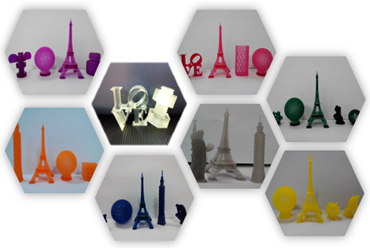
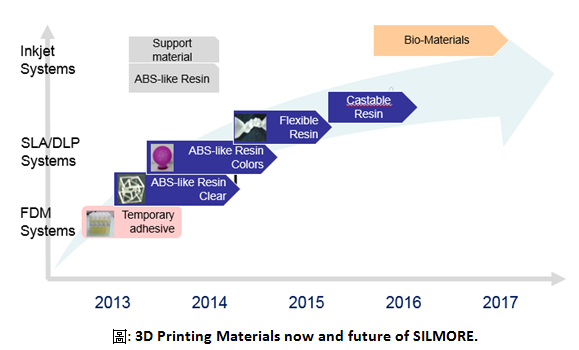
Entry-level 3D printing equipment, the FDM system, mainly uses ABS and PLA as primary materials. Its equipment has lower resolution but is inexpensive, especially since patents have expired and the entry barrier is low, making it popular among many Taiwanese manufacturers who are investing in development. Higher-end SLA/DLP/Inkjet systems use special light-curing materials, achieving better resolution than FDM systems, and are favored in fields that pursue quality and precision, such as jewelry, dentistry, and industrial prototype development. Other 3D printing technologies, such as powder binding and metal powder sintering, are also being researched by Taiwanese manufacturers.
To keep up with industry changes, Sil-More launched temporary fixing materials for FDM systems in 2013 and is committed to developing light-curing material systems. Sil-More's light-curing materials achieve high levels of resolution and color saturation and can be adjusted to fit customer machines. To this day, they continue to develop flexible, wax-like materials and applications in the biomedical field.
New generation two-component instant adhesive perfectly fits without paint loss~
MXBON®9011WELDING is a two-component instant adhesive with excellent gap-filling and adhesion properties, suitable for a wide range of materials and surfaces. Compared to traditional two-component epoxy resin adhesives, this two-component instant adhesive has a longer operating time (on parts) and working time (in the mixing tube), with a working time of up to 90 minutes after mixing and an operating time of up to 30 minutes. It can fill gaps up to 5mm and has good adhesion to materials such as plastics, wood, metals (including aluminum), porous and irregular surfaces, making it popular among professional customers and DIY users. The uniform gel allows for application in any direction, even on vertical surfaces, and the use of a static mixing tube enhances mixing uniformity and operational precision, providing users with greater convenience.Combination of adhesive tube packaging and static mixing tube:
- Can accurately mix adhesive materials.
- Can apply adhesive materials more economically and efficiently.
- No waste of adhesive materials.
- Enhances the shortcomings of gap filling, with a wide range of applications.
- Strengthens effects that single-component adhesives cannot achieve.
- High gel hardness (SHORE D: 60).
ADHESIVE WELDING --Perfect combination of epoxy adhesive and instant adhesive.

- Quick bonding.
- Gap filling can reach up to 5mm.
- Suitable for most substrates (except for polyolefins (PE, PP, Teflon)).
- Good tensile strength.
- Long open time and working time.
- Easy and simple to operate.
- Good gel uniformity.
- Transparent appearance.
Market and applications:
| Products requiring high-strength adhesion. | |
| Fixing wall decoration products. | |
| Gap filling. | 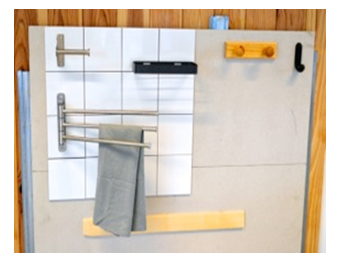 |
| Jewelry bonding. | |
| Model making. | |
| Woodworking equipment maintenance. | |
| Vehicle maintenance. | |
| Bathroom equipment renovation. |
Figure 1. Comparison of gap-filling bonding strength of MXBON®9011 WELDING.
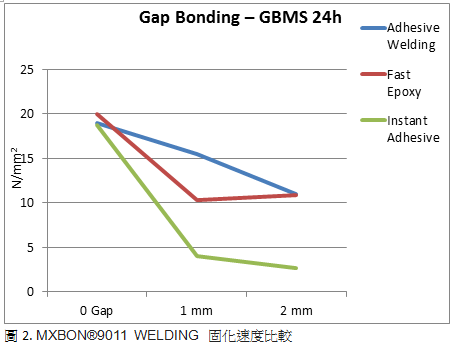
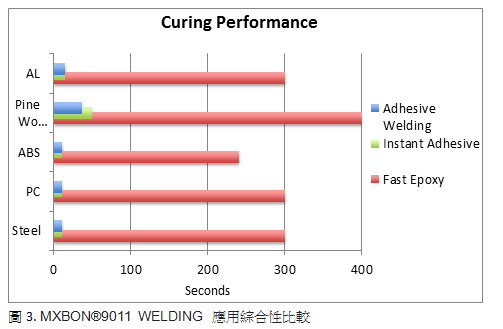
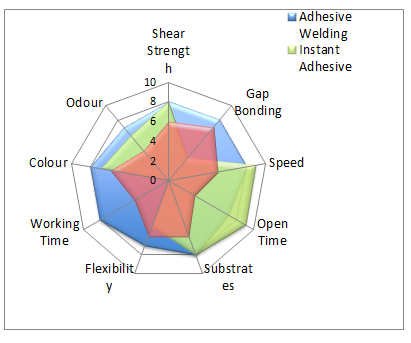
Data source: Beihui Chemical.
Experimental case sharing - Rheological solutions
Thixotropy, also known as thixotropic property, is a characteristic of certain gels or liquids that do not have a fixed viscosity. Under normal conditions, they are viscous, but if shaken, stirred, or otherwise stressed, they become fluid.Most of the thixotropy is due to formation.Hydrogen bond.1The intermolecular attraction due to hydrogen bonds forms a three-dimensional network structure. This force is easily affected by external forces and can be destroyed, leading to a decrease in viscosity and a return to good fluidity. When the external force is removed, hydrogen bonds will restore the three-dimensional structure, increasing viscosity, and the recovery time only takes a fraction of a second.
Note 1:Hydrogen bond.It is the force between hydrogen atoms bonded to highly electronegative atoms in the molecule and another atom.
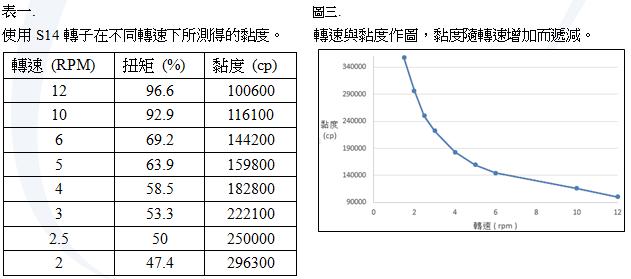
Taking SILASTIC T4 as an example, the original viscosity is about 35,000 cp, and it has fluidity on an aluminum dish (Figure 1). If about 1% of a thixotropic agent is added, the colloid becomes more viscous and loses fluidity (Figure 2). When measuring the mixed sample with a viscometer, it can be observed that as the rotation speed decreases, the viscosity increases (Table 1), which is consistent with the aforementioned thixotropic characteristics. Thixotropy has a wide range of applications, such as in food, coatings, adhesives, pharmaceuticals, cosmetics, etc. If this characteristic can be applied to products, it will allow for more flexible applications.
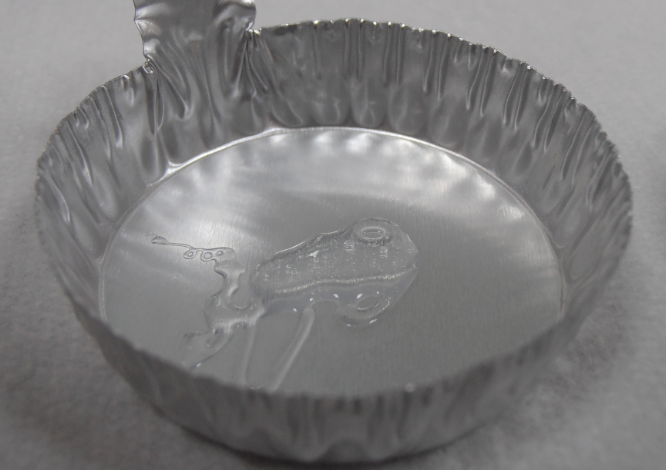
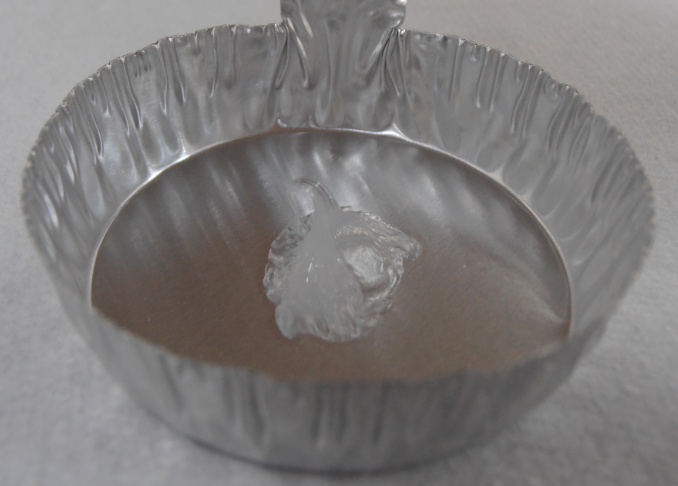
1. T4 without thixotropic agent shows flattening. 2. T4 becomes more viscous after adding thixotropic agent.
Flow status diagram.
Innovative professionalism, achieving partners: Sil-More 20th anniversary celebration
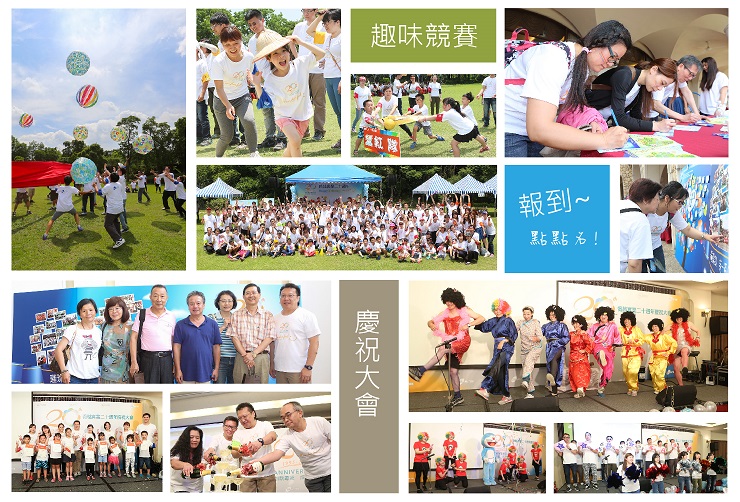
Sil-More is 20 years old! Celebrating the 20th anniversary on May 17, combining "Family Day" and a grand luncheon celebration, welcoming the 20th anniversary with the slogan "Innovative Expertise, Achieving Partners," enjoying the event with all employees and their families, and reflecting on the growth journey over the past twenty years.Sil-More is a leading supplier of electronic high-tech industry specialized adhesives, established in 1995, starting with the agency of the internationally renowned brand Dow Corning silicone. Initially, there were only 4 employees, and now there are over 200 employees. Adhering to the business philosophy of "Integrity, Harmony, Positivity, Professionalism, Service, Innovation," it has now developed into a scale-managed enterprise with over 200 professionals.
Facing a wide range of technological fields, coupled with continuous innovation in various technology industries, Sil-More strives to connect the value chain of various industries. In 2002, it provided Total Solutions, expanding the product line from a single silicone product agency to diversified product development, gradually adding thermal management materials, optoelectronic application LED phosphors, semiconductor packaging adhesives, etc., with agency brands expanding to over 10; the service areas cover the electronics industry, automotive electronics industry, optoelectronic industry, semiconductor industry, green energy industry, automation equipment industry, etc. In 2014, it actively laid out applications in 11 screens, automotive lighting, wearable devices, optical communications, the internet, and smart grids, introducing new materials to meet customer needs.
Looking to the future, General Manager Yang Tianxiang expressed gratitude for the support from suppliers and customers over the past 20 years. Currently, in the layout of high-tech electronic adhesives, it will expand into the material development of institutional components. Sil-More is also continuously striving to find prosperous products and markets in an economic downturn, continuously expanding product lines and service points, and actively moving towards the goal of becoming a leading brand in Asia. With "Innovative Expertise, Achieving Partners" as the value and contribution of Sil-More in the technology industry over the past twenty years, it will also lay out new businesses in the future, hoping to continue to strive for the goal of "Rooted in Taiwan, Looking at Asia," providing more professional added value and services, and becoming a trustworthy brand for customers.
Sil-More Group 8~9 month exhibition preview

China Kunshan Subsidiary
TEL:+86-512-5778-9977
FAX:+86-512-5778-9944
E-Mail:silmore@silmore.com.cn
Website:http://www.silmore.cn/
Address: 13th Floor, Building 4, Chengbei Lake Commercial Center, 1188 Chengbei Road, Yushan Town, Kunshan City, Jiangsu Province, 215300
China Dongguan Subsidiary
TEL:+86-769-8541-8158
FAX:+86-769-8541-9158
E-Mail:service@silmore.com.cn
Website:http://www.silmore.cn/
Address: No.8 Huafu Road, Shangsha No.6 Industrial Zone, Chang 'an Town, Dongguan City, Guangdong Province, China 523000